
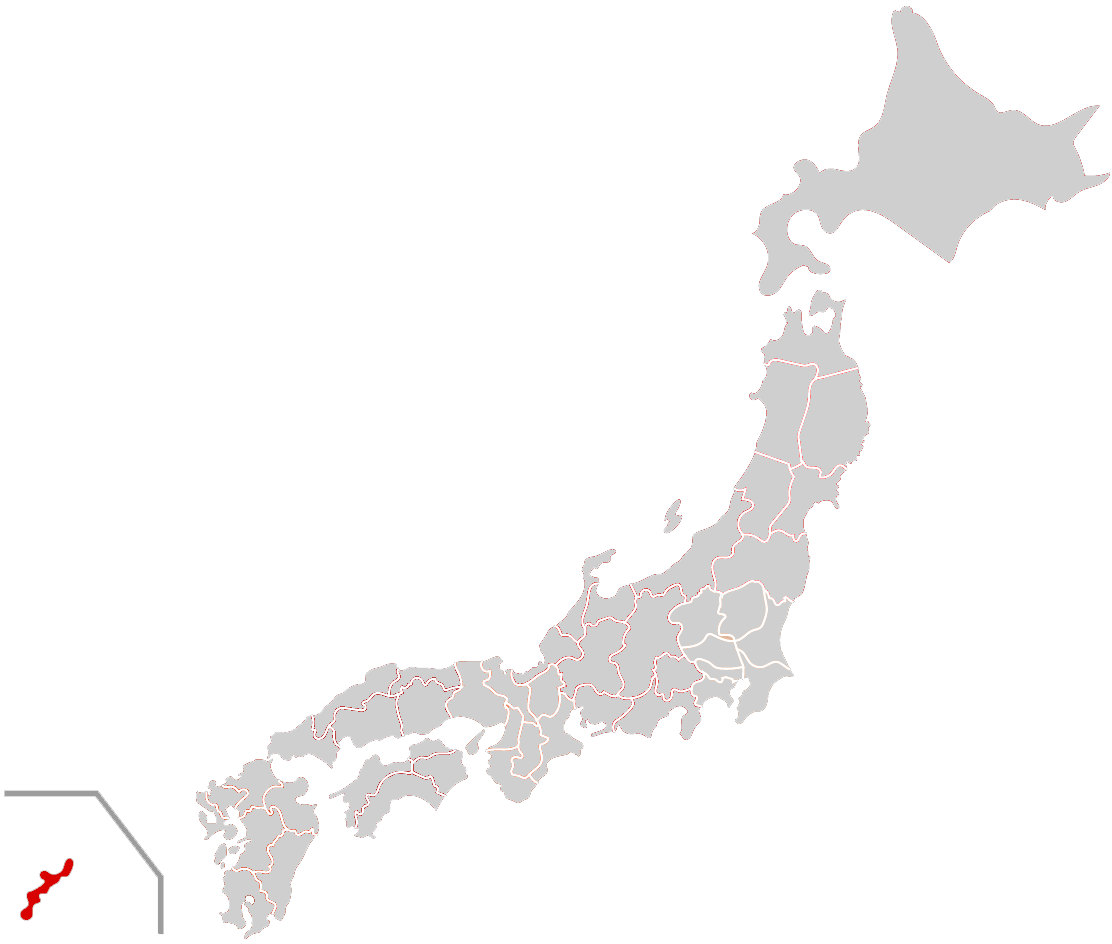
Surrounded by the stunning blue sea, you can enjoy local cuisine and celebrations with friendly people in tropical vibes.
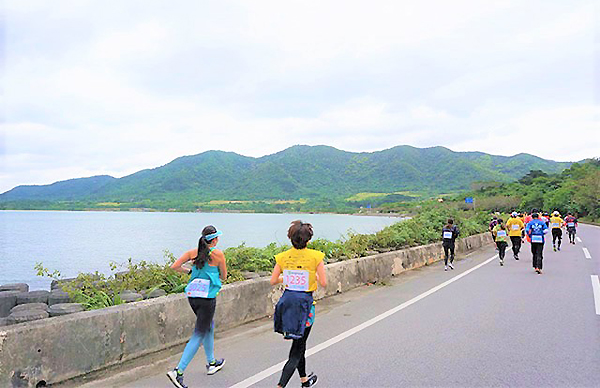
With an average temperature of 18℃ (65℉) in January, equivalent to Tokyo in late October, participants can run while enjoying views of mangroves and coral reefs surrounded by lush greenery.
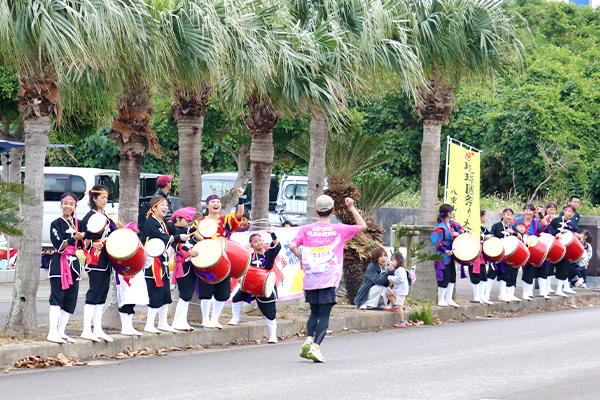
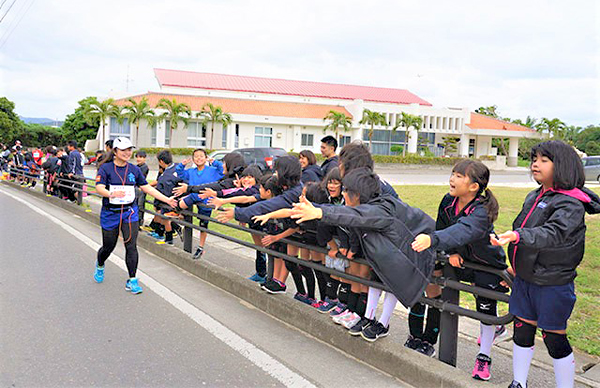
They can refresh at aid stations featuring local specialties such as black sugar and pineapple, or at private stations where enthusiastic locals cheer them on.
Runners can also take in the tropical scenery of Ishigaki Island, with its blue seas, mountains, and Mt. Omoto at the center.



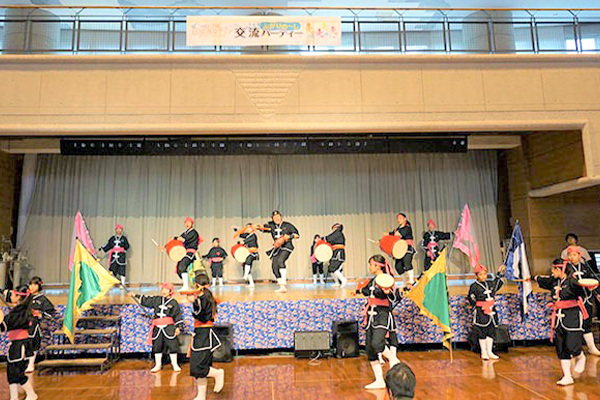
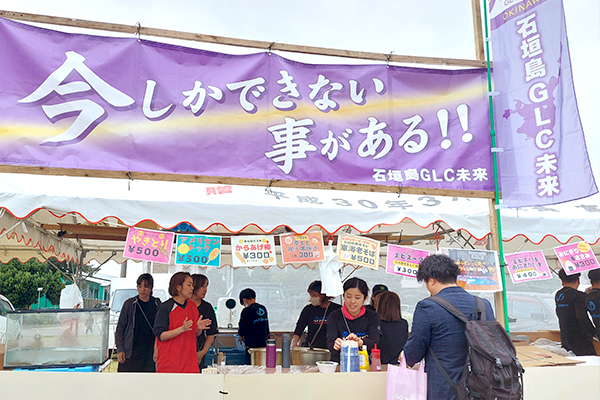
After finishing, participants can wash off at Self-Defense Forces baths and showers, then join a popular social gathering featuring local Yaeyama performing arts, live music, a raffle with luxurious prizes, and numerous food trucks offering Ishigaki beef and other local cuisine.
All of this allows participants to interact with fellow athletes and local residents throughout the event.
Discover the Charm of the Host City
| 写真出典元: | 沖縄観光コンベンションビューロー 沖縄県公式ホームページ 他 |
|---|
Sightseeing Spots on Ishigaki Island
Traveling from Tokyo to Ishigaki is easy and flexible, whether you prefer the convenience of direct flights or the budget-friendly option of connecting via Naha, Okinawa. Once on the island, you’ll find a tropical paradise that offers the perfect combination of nature, culture, and activities.
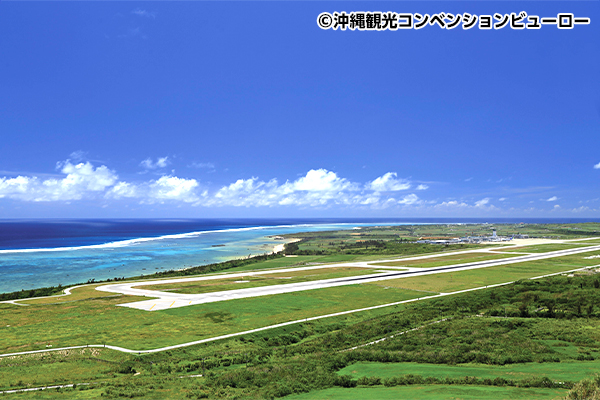
Ishigaki Airport is just 30–40 minutes by car from major attractions and the city center, making the island a convenient hub for visiting nearby islands like Iriomote, Taketomi, and Hateruma.
The island is also recognized as a Dark Sky Protection Area, offering stunning stargazing opportunities. For a closer look at the cosmos, visit the Ishigaki Island Observatory.
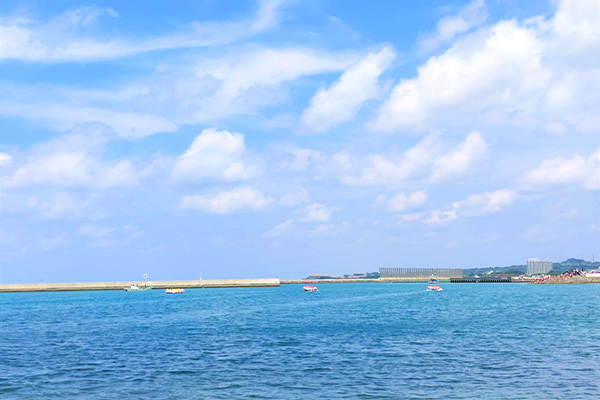
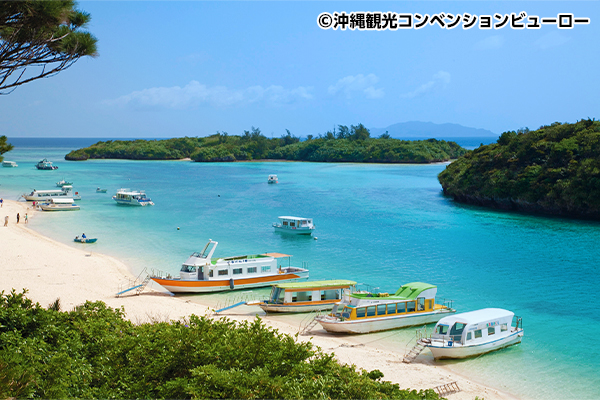
Kabira Bay, selected as one of Japan’s top scenic spots, features stunning emerald waters dotted with small islands, best enjoyed via glass-bottom boat rides or stand-up paddleboarding.
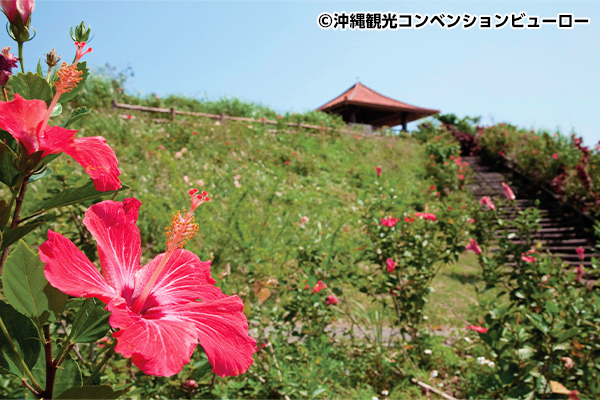
The Tamatorizaki Observatory offers panoramic views of coral reefs and the coastline framed by seasonal flowers.
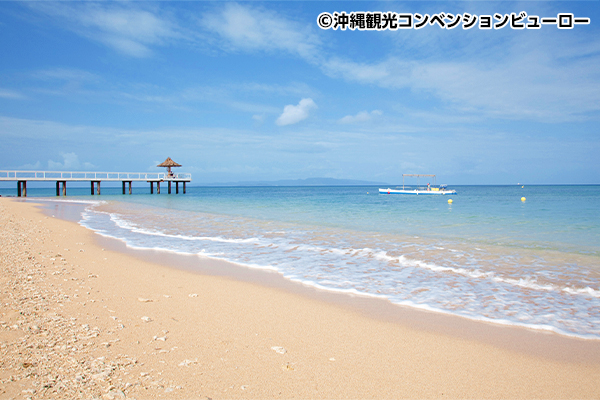
Ishigaki Sunset Beach provides a pristine white sand stretch perfect for relaxing and watching the sun dip into the sea.
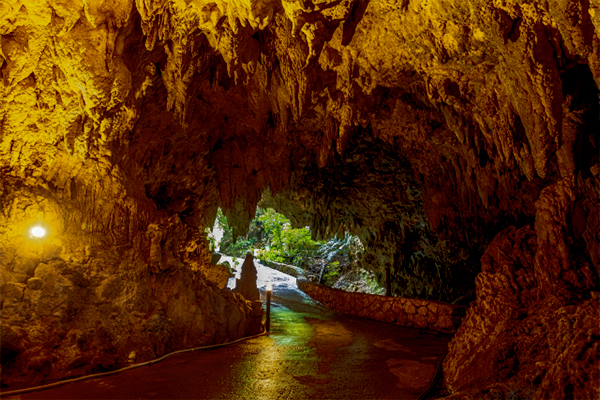
The Ishigaki Island Limestone Cave, the largest on the island and formed over 200,000 years, captivates visitors with its natural stalactites, illuminated glow, the sound of dripping water in the Suikinkutsu, and an underground world full of mystery. There are also restaurants and shops on the premises.
Finally, Yaima Village, a cultural theme park, allows guests to explore traditional Okinawan homes and interact with friendly squirrel monkeys, offering hands-on experience of the local heritage.
Recommended Islands Around Ishigaki Island
Here are some remote islands that can be reached by plane or ferry from Ishigaki Island. All of them are rich in nature and have a warm climate even in winter, so you can enjoy a relaxing trip.
Iriomote Island
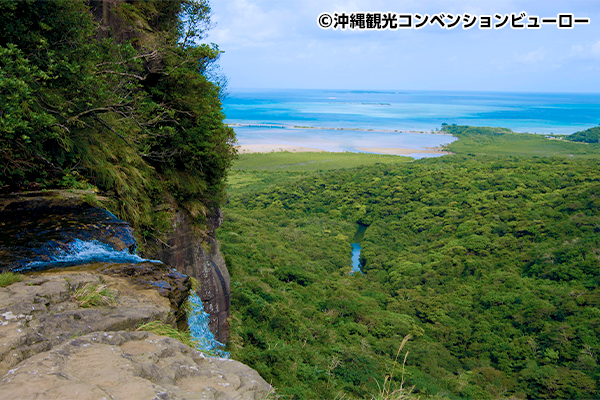
The largest of the Yaeyama Islands in Okinawa Prefecture, Japan. Covering approximately 290 km², about 90% of the island is covered in subtropical jungle, making it one of Japan’s last remaining wilderness areas. It’s often called "Japan’s Galápagos" for its rich biodiversity and untouched nature.
Accessible only by ferry from Ishigaki Island (approx. 45–60 minutes).
Taketomi Island
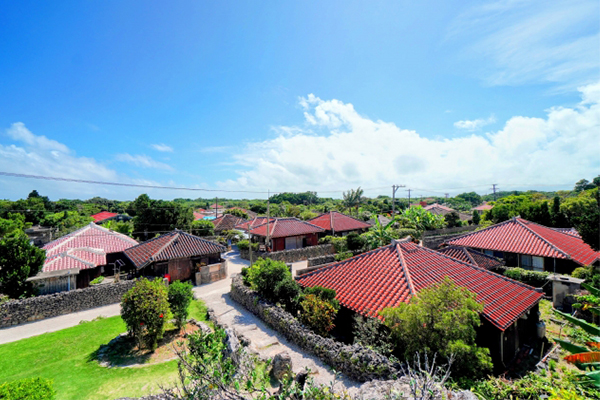
A small gem in the Yaeyama Islands of Okinawa Prefecture, located just 6 km (3.75 miles) south of Ishigaki Island. It takes only about 10 minutes by ferry from Ishigaki Port. With an area of 5.4 km² and a population of around 340, the island preserves a traditional Okinawan village atmosphere that attracts visitors from across Japan and abroad.
The entire island is part of the Iriomote-Ishigaki National Park and has been designated as an Important Preservation District for Groups of Traditional Buildings since 1987. Its iconic, red-tiled roofs, coral stone walls, and white-sand paths provide a glimpse into Okinawa’s timeless charm.
Hateruma Island
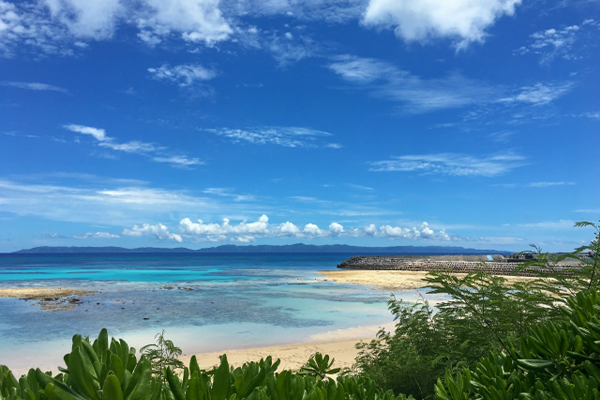
Hateruma Island is the southernmost inhabited island of Japan, located in the Yaeyama Islands of Okinawa Prefecture. It lies about 1 to 1.5 hours by high-speed ferry from Ishigaki Island. Covering 12.7 km² and home to around 480 residents, the island’s name is believed to derive from "Hate-no-Uruma," meaning "coral island at the edge" — a fitting description for this remote paradise.
Traditional Okinawan houses with red-tiled roofs and rows of Fukugi trees still line the village streets. With minimal light pollution and crystal-clear air, Hateruma is one of the few places in Japan where you can observe the Southern Cross constellation.
Yonaguni Island
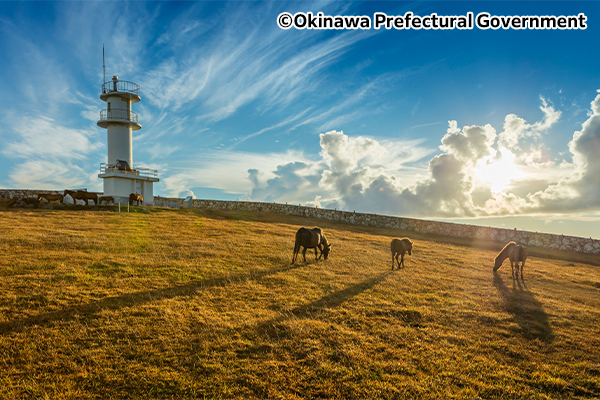
Yonaguni Island is Japan’s westernmost inhabited island, located in the Yaeyama archipelago of Okinawa Prefecture. Just 111km (about 70miles) from Taiwan, it’s so close that the mountains of Taiwan can sometimes be seen on clear days. The island spans approximately 28.96 km² and stretches 12 km east to west, with dramatic cliffs and rugged terrain defining its landscape.
- Often called "Japan’s border island," Yonaguni offers a unique blend of natural beauty, cultural heritage, and remote island charm.
- Access: Air: from Ishigaki Island 30 minutes (3round trips per day). Ferry: From Ishigaki Island 4 hours (run twice a week)
Gourmet Information
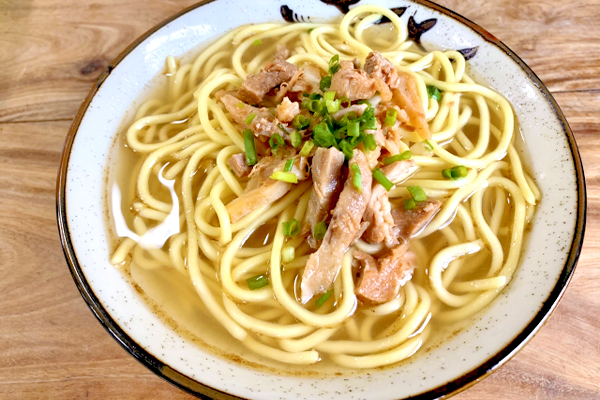
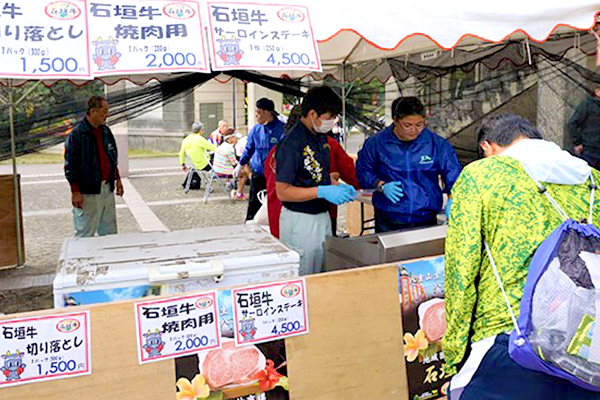
Ishigaki Island is a treasure trove of gourmet delights, offering a wealth of Okinawan flavors, from seafood and Ishigaki beef to local cuisine.
Ishigaki Tuna and Sushi
Enjoy locally caught raw tuna paired with freshly cooked rice in a casual set-meal style, a dish popular with both locals and tourists.
Ishigaki Beef
Ishigaki Beef is a premium brand of Japanese Black (Kuroge Washu) cattle raised in the subtropical climate of Ishigaki Island and the Yaeyama Islands in Okinawa Prefecture. Known for its tender texture and rich flavor, it is one of Japan’s rarest and most regionally distinctive wagyu varieties.
Yaeyama Soba
Yaeyama Soba is a regional variety of Okinawa soba, traditionally enjoyed across the Yaeyama Islands — including Ishigaki, Taketomi, and Iriomote. Though classified as "Okinawa soba," locals distinguish it from the mainland version, regarding it as a unique cultural dish and a symbol of island pride.
Awamori
Awamori is Okinawa’s traditional distilled spirit with over 600 years of history. Considered Japan’s oldest distilled liquor, it originated in the Ryukyu Kingdom and was influenced by Southeast Asian distillation techniques. Unlike sake or shochu, awamori is made with Indica rice and black koji mold, giving it a rich aroma and deep flavor.
It's a very exciting race event. We are very much looking forward to seeing you at the race venue.