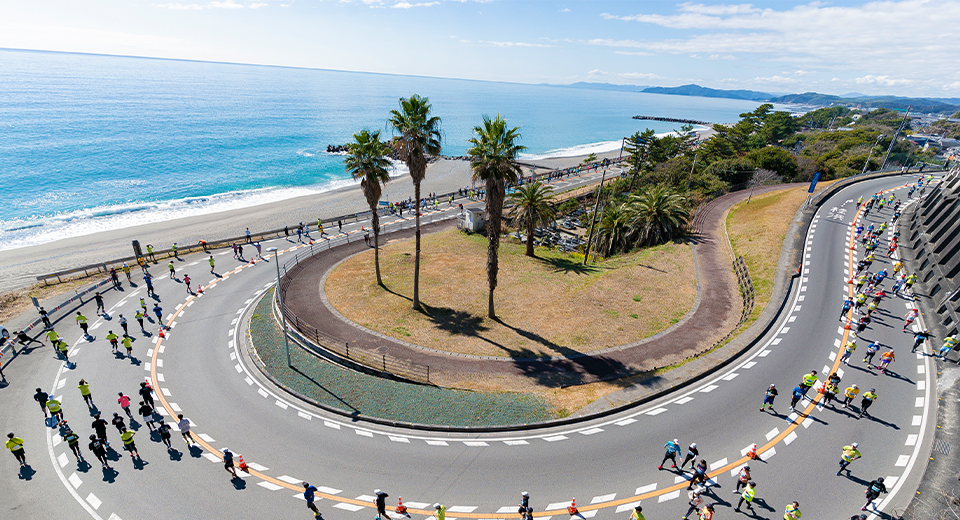
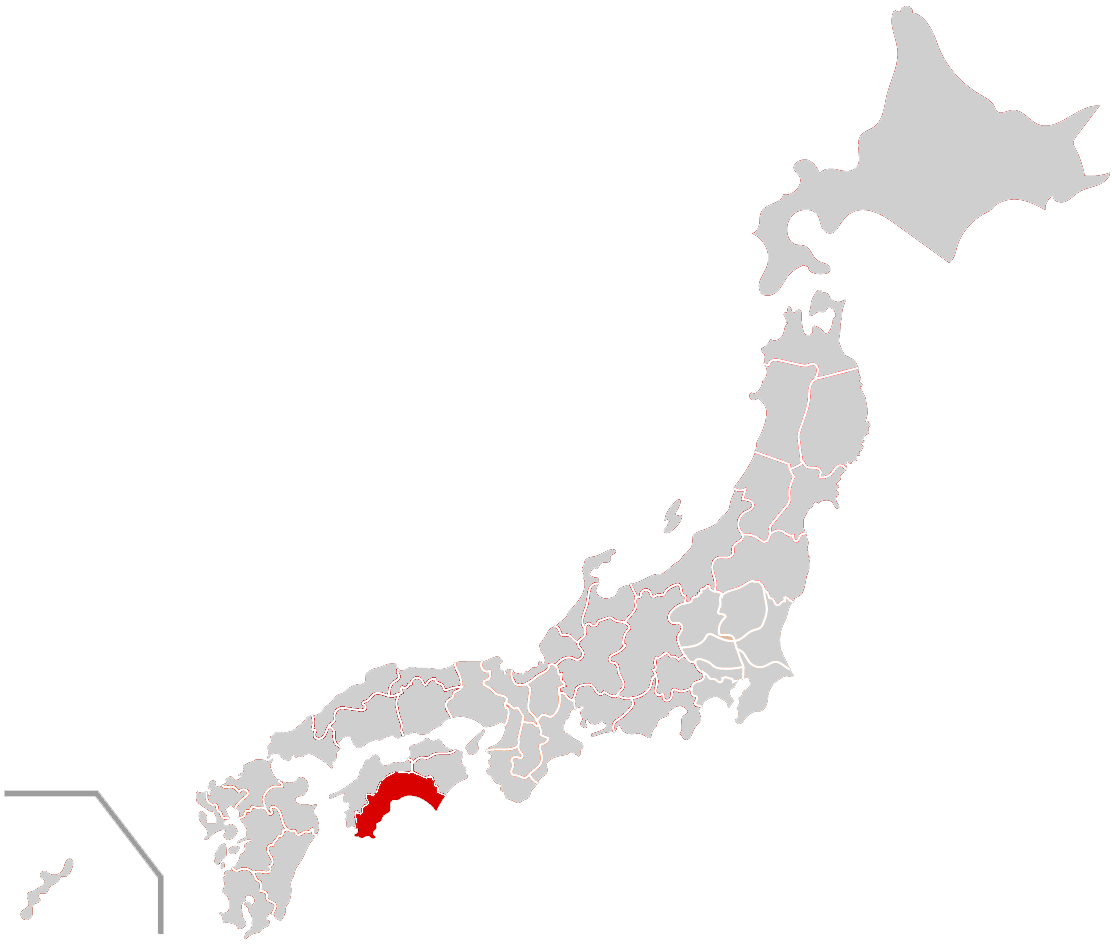
The popular Kochi Ryoma Marathon, regularly ranked among the "Top 100 National Running Events," returns in 2026 with even more excitement!
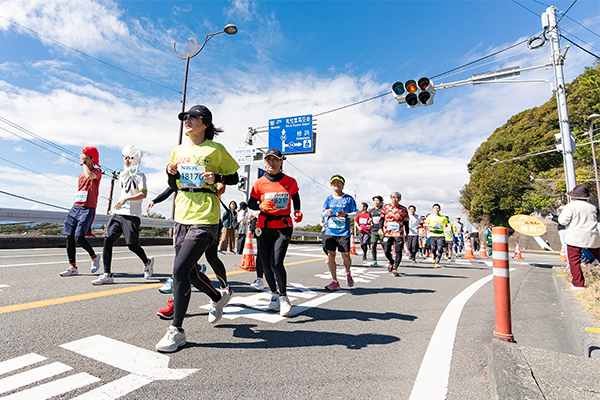
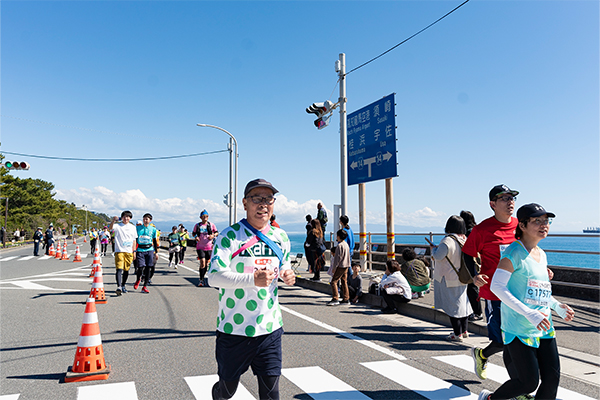
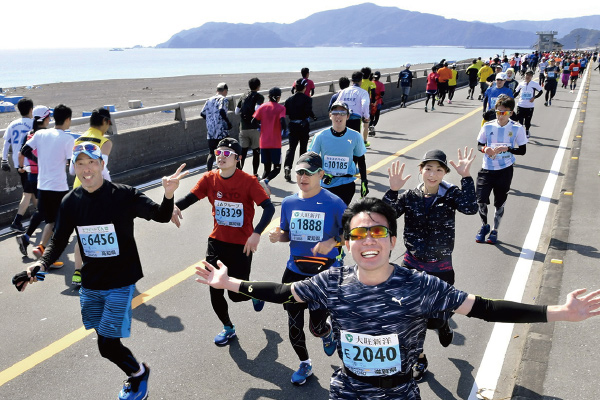
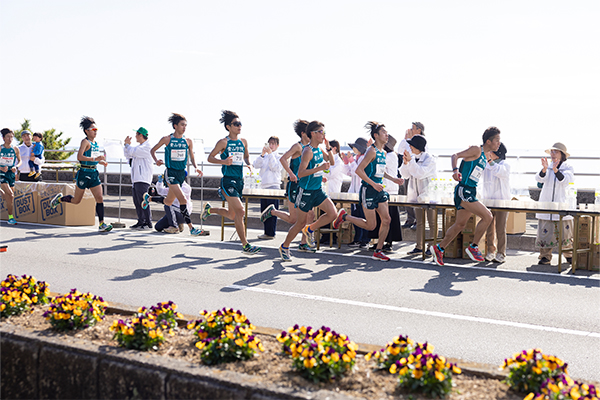
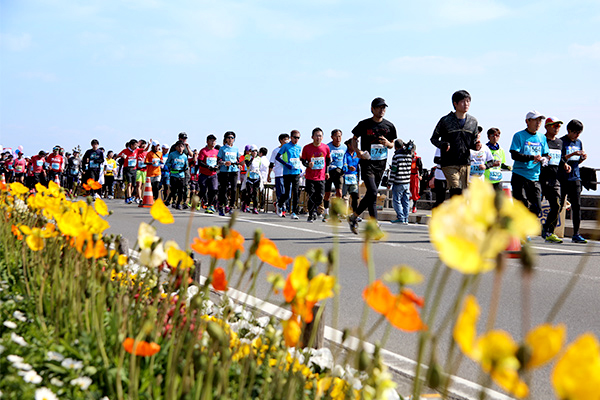
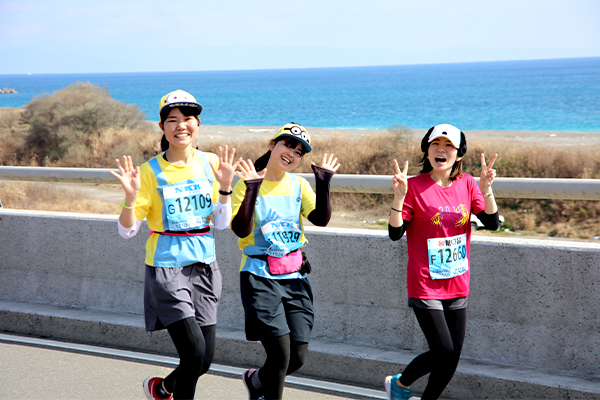
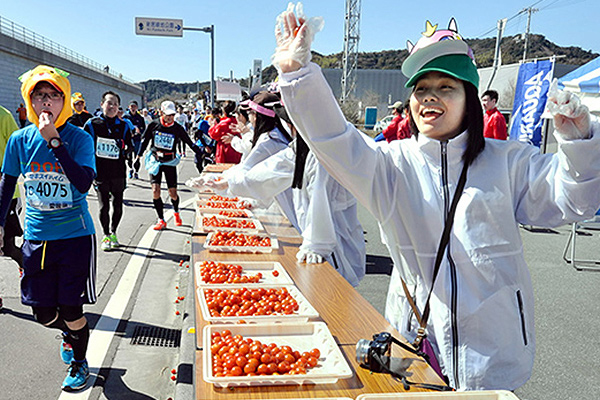
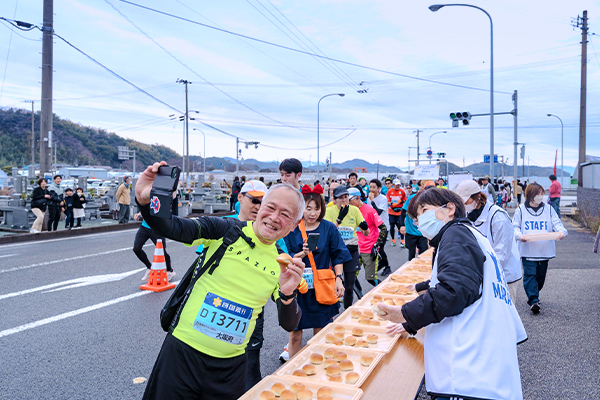
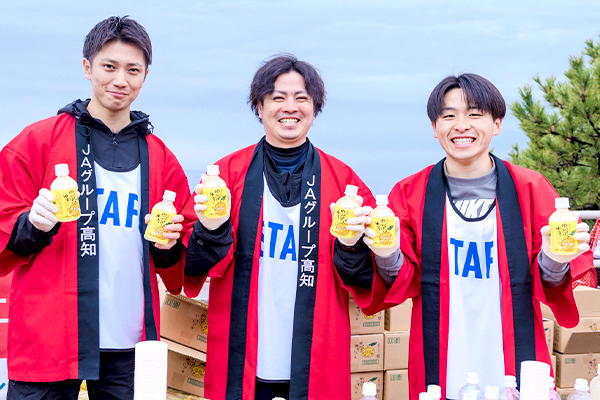
The course’s appeal lies in the magnificent Pacific Ocean—the very same vista once admired by Ryoma Sakamoto—together with the beautiful scenery of the Niyodo River, celebrated as a "miracle clear stream," and the surrounding mountains. Along the way, runners will also enjoy warm hospitality from local residents and a variety of locally sourced gourmet delicacies.
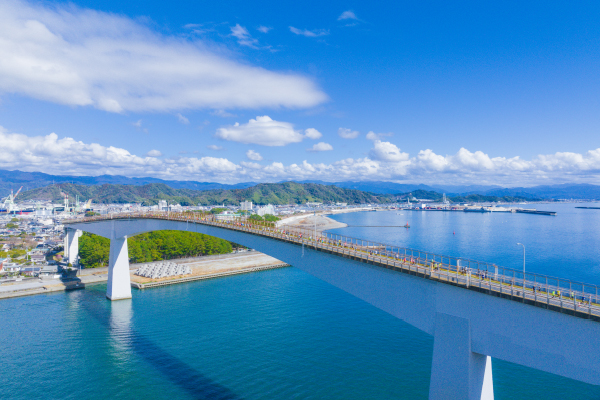
The race begins at Kochi Castle in the heart of Kochi City. After crossing the famous Harimaya Bridge, participants head toward the southern suburbs. Around the 20 km mark, runners face the steep climb of Urado Bridge (40m elevation gain). Once conquered, an overwhelming panorama of the Pacific Ocean—the same view admired by Sakamoto Ryoma—opens up before them!
Running along the coastline with the refreshing sea breeze, participants then reach the Niyodo River, hailed as the "Miracle Clear Stream."
This point-to-point course is a visual feast, showcasing the very best of Kochi’s scenery—sea, river, and mountains.
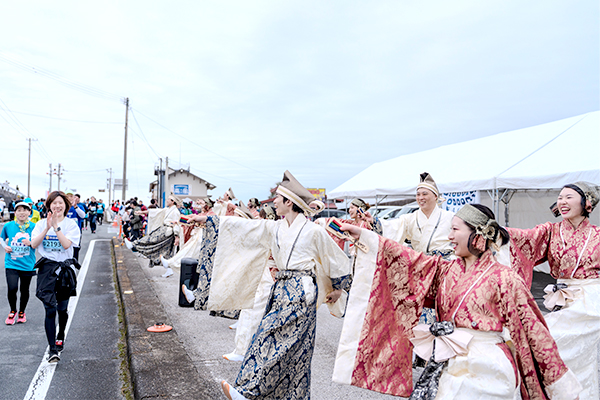
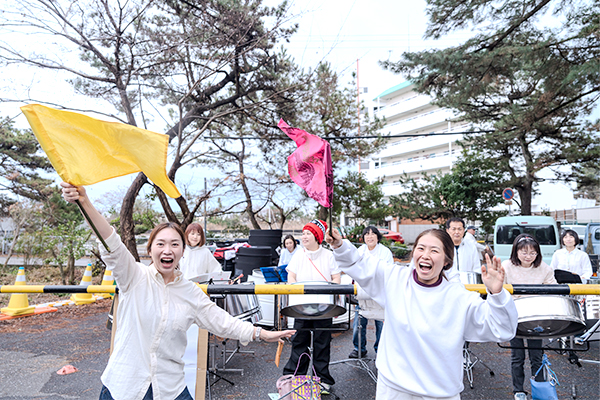
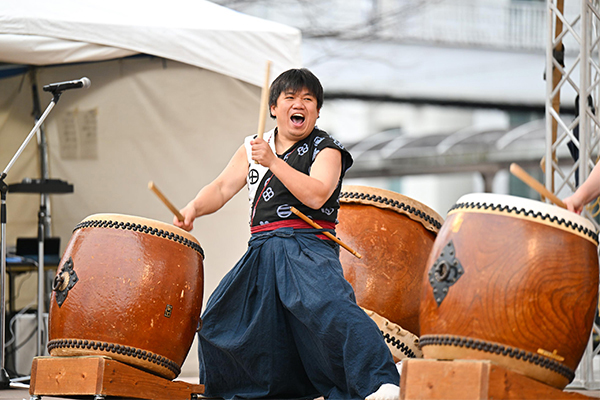
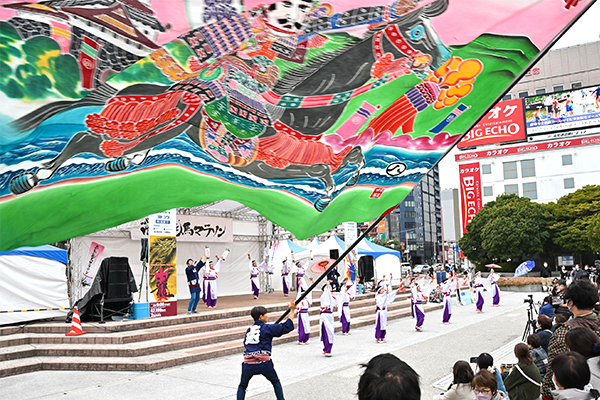
Discover the Charm of the Host City
| 写真出典元: | 高知県観光コンベンション協会 高知市観光魅力創造課 他 |
|---|
Sightseeing Spots in Kochi City
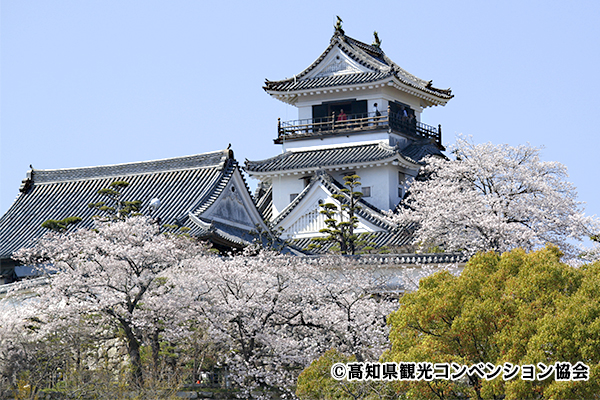
Kochi City holds profound historical importance as a symbolic crossroads of Japan’s political, ideological, and cultural transformation—from the Warring States period, through the Meiji Restoration, and into modern democracy.
Edo to Bakumatsu (Last Samurai) Period: The Tosa Domain and the Meiji Restoration.
During the Edo period, Yamauchi Kazutoyo developed the castle town around Kōchi Castle. In the late Edo era, Kōchi became a driving force in the Meiji Restoration.
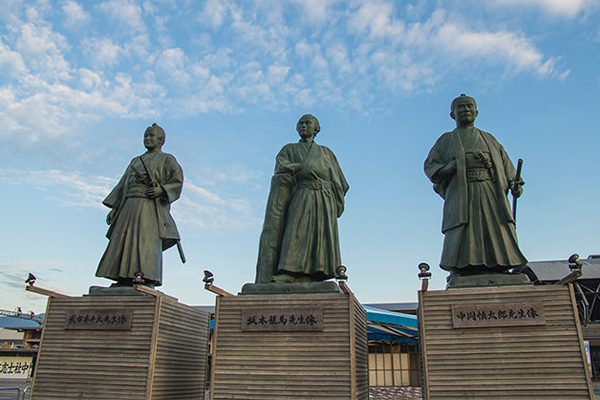
The Three Wise Men of Tosa
Three influential figures from Kōchi played key roles in the Meiji Restoration:
- Sakamoto Ryōma — a coordinator of the Satsuma–Choshū Alliance and an advocate for peaceful political reform.
- Nakaoka Shintarō — a pivotal leader in the late Edo period, instrumental in forging the Satsuma–Choshū Alliance and advancing the movement to overthrow the Tokugawa shogunate.
- Takeichi Hanpeita — an important figure of the Tosa Domain during the turbulent final years of the Edo era.
In front of Kōchi Station, statues of these three men stand side by side, from left to right: Hanpeita, Ryōma, and Shintarō.
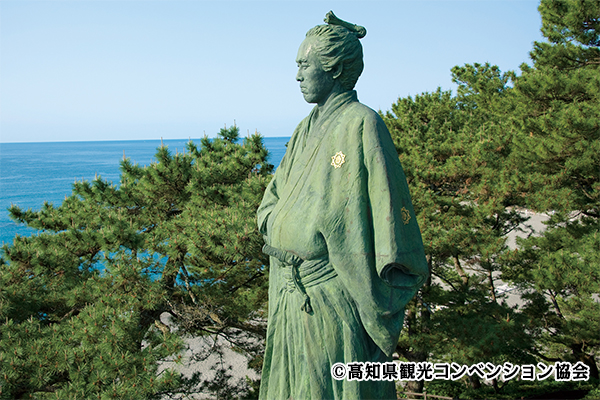
Among these leaders, Sakamoto Ryōma played especially significant roles in shaping Japan’s modernization and industrialization. Deeply respected by generations of Japanese people, his legacy lives on—both Kōchi Airport and this marathon are named after him.
Gourmet Information
Katsuo no Tataki — Seared Bonito from Kochi
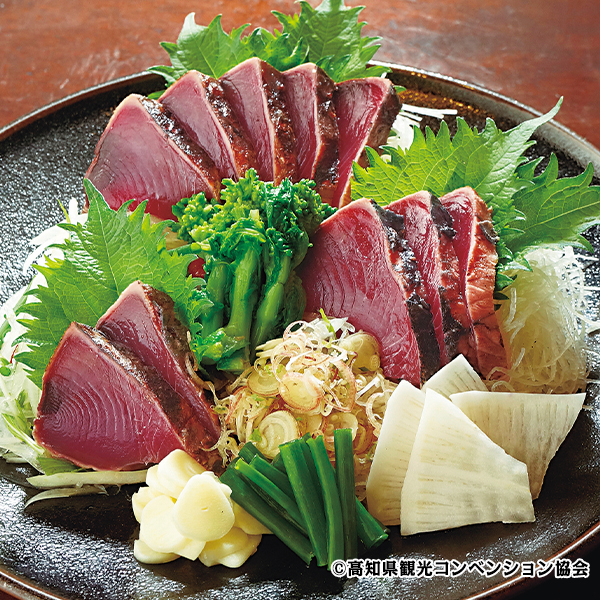
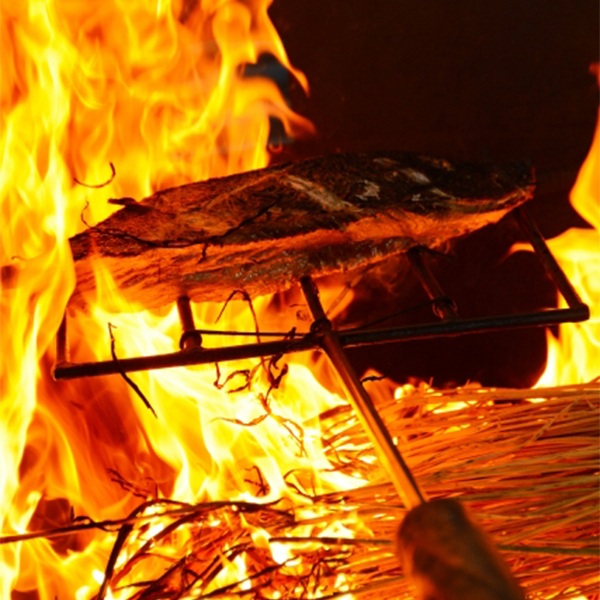
Katsuo no Tataki is a beloved local specialty from Kōchi Prefecture, featuring thick slices of bonito (skipjack tuna) seared over blazing straw flames and served with aromatic garnishes. It’s a dish that perfectly captures the bold, rustic spirit of Tosa cuisine.
What Is It?
Cooking Method: The surface of the bonito is quickly seared at high heat, leaving the inside rare. This creates a contrast of smoky aroma and fresh flavor.
Name Origin: "Tataki" originally referred to the practice of pounding salt or seasoning into the fish. Today, it simply means lightly seared.
Also Known As: Tosa-zukuri, often served at celebrations and as part of traditional Sawachi-style cuisine (platter-style feasts).
Sawachi-style cuisine: platter-style cuisine
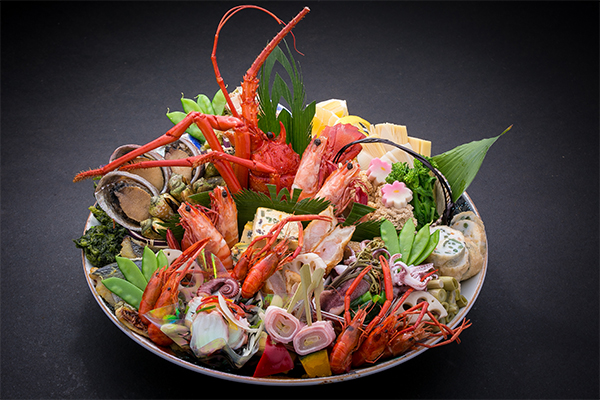
Sawachi-style cuisine is a vibrant and generous style of serving food unique to Kōchi Prefecture. Rather than referring to a specific dish, it describes a presentation style where various foods are arranged on large platters and shared among guests — an essential part of local celebrations and feasts known as okyaku. Key features are as follows:
- Large Platters: Dishes are served on round plates approximately 36 – 39 cm in diameter, piled high with seafood, vegetables, and seasonal delicacies.
- Communal Style: Guests help themselves freely, creating a relaxed and festive atmosphere.
- Portion Size: Each platter typically serves three or more people, and the number of platters reflects the scale of the gathering.
Local Sake of Kōchi — Crisp, Clean, and Food-Friendly
Kōchi Prefecture is renowned for its dry, refreshing sake, crafted to complement local dishes like Seared Bonito (Katsuo no Tataki) and Sawachi-style cuisine. Blessed with pristine rivers, high-quality rice, and skilled brewers, Kōchi’s sake reflects the region’s natural purity and bold culinary spirit.
Kenpi — traditional dry confection (higashi) from Kōchi Prefecture
Kenpi is a made by kneading flour, sugar, eggs, and water into thin sticks, then baking them until crisp. Though simple in appearance, Kenpi is beloved for its crunchy texture and gentle sweetness, making it a popular snack and gift item.
It's a very exciting race event. We are very much looking forward to seeing you at the race venue.