The charm of Fukuoka Marathon (from Fukuoka Marathon HP)
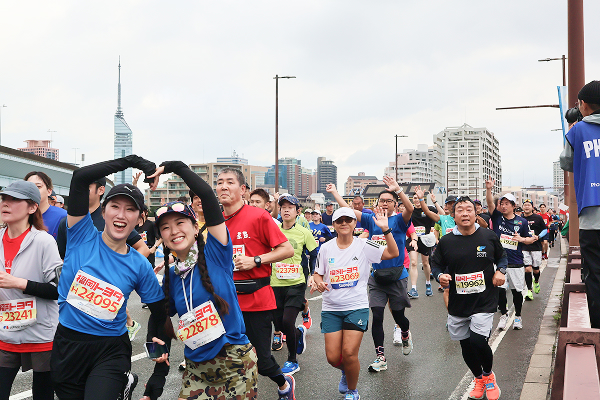
- ・ The race starts right in the heart of Tenjin, the center of Fukuoka—an area where you don't usually get to run—and finishes in Itoshima, where you can enjoy views of the beautiful sea and mountains. With scenery that transitions seamlessly from the city to nature, along with the scent of the sea breeze and flowers, this one-way course keeps runners engaged and ensures a pleasant running experience.
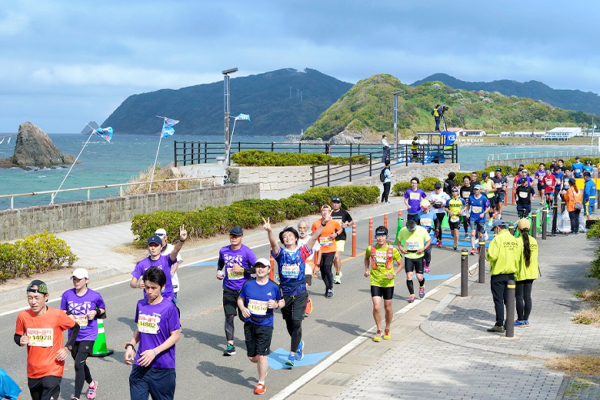
- ・ The runners are spurred on to the finish line by the unceasing, heartfelt support they receive—whether it's the creative local cheering or the encouragement at the event venues.
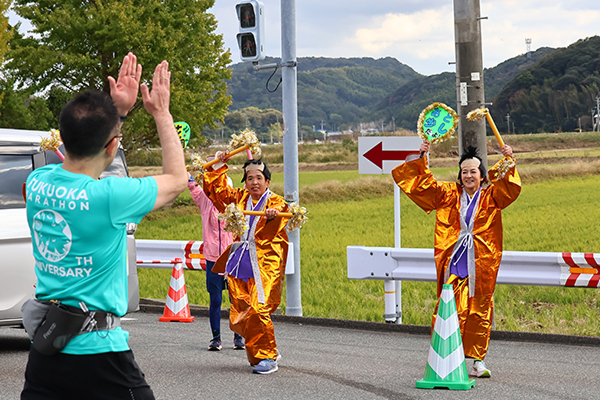
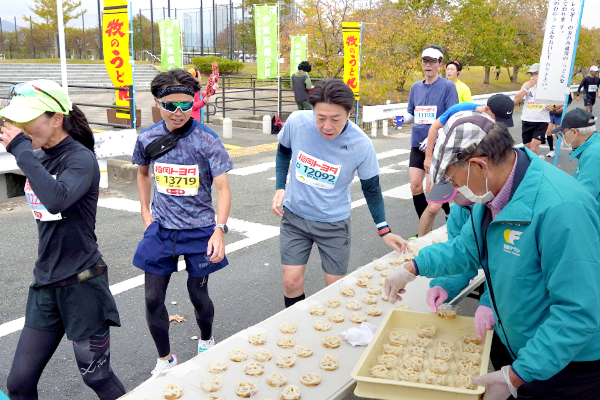
- ・ Delicious and nutritious refreshments—including Fukuoka specialties, famous sweets, and a special menu developed just for runners (TBD)—will fuel your energy! At the finish line, you'll also be greeted by heartwarming hospitality from our sponsors and members of the Fukuoka Marathon Itoshima Support Association, featuring local ingredients! *Details regarding refreshments will be finalized around late October.
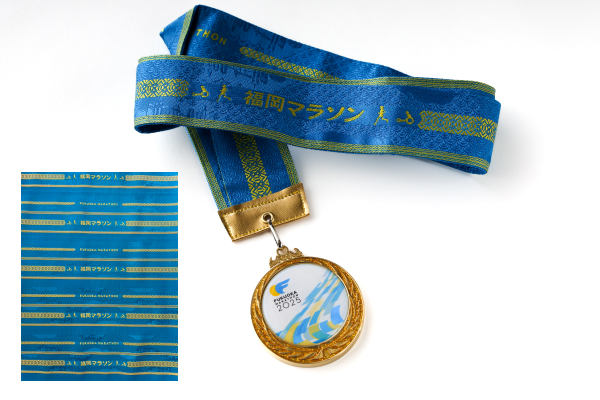
- ・ The ribbon used for the Fukuoka Marathon prize medals is made from "Hakata-ori," a traditional craft of Fukuoka. It features an original design that incorporates the event's colors and scenery along the course, and is carefully handcrafted by skilled artisans over a period of about two months.
Discover the Charm of the Host City
| 写真出典元: |
クロスロードふくおか(福岡県観光連盟) まるごと福岡・博多(福岡市) |
|---|
Why Fukuoka?
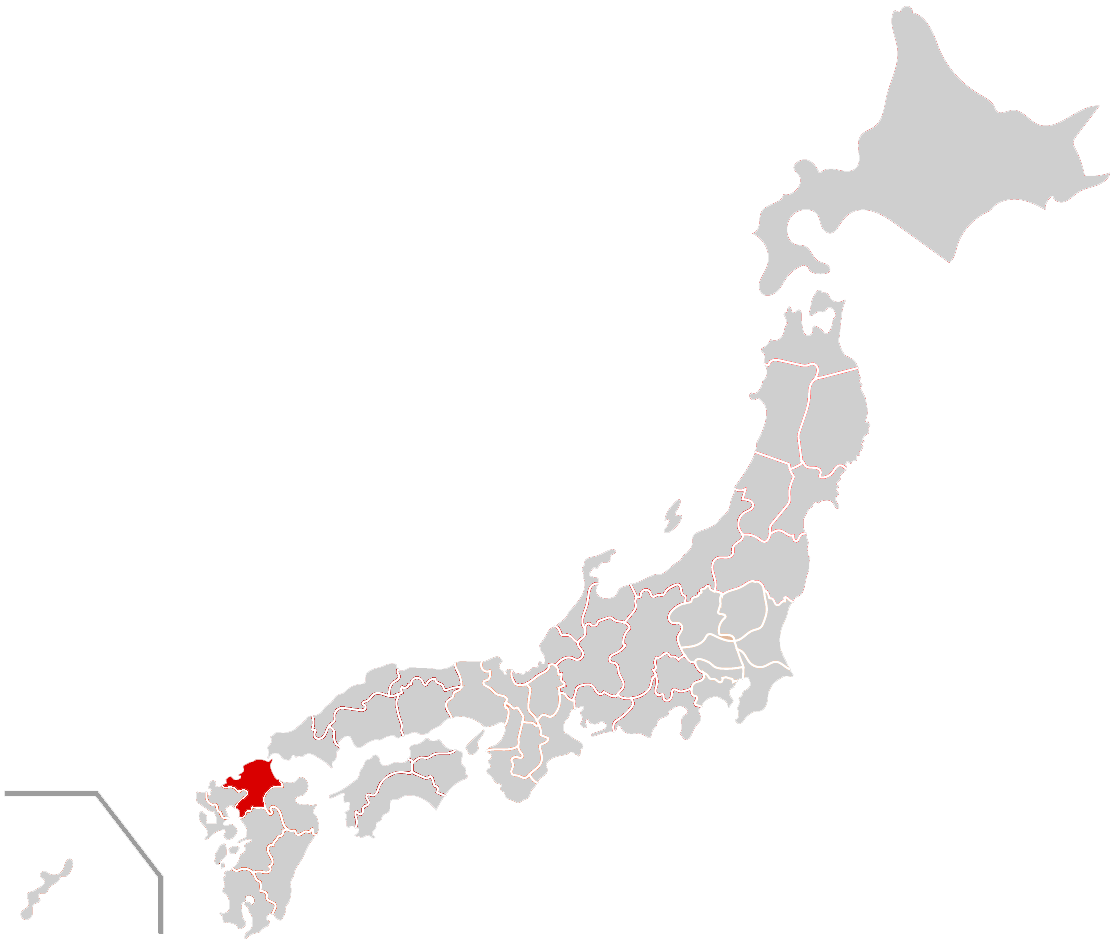
- ・ Fukuoka is the largest city in Kyushu and one of Japan's most welcoming destinations. Fukuoka City was selected in the "Food" category of the "Best In Travel 2023" by Lonely Planet, a world-renowned guidebook, and Fukuoka's yatai (food stalls) in Hakata were chosen for "52 Places to Go in 2023" by The New York Times.
- ・ Known as a gateway to Asia, the city is just 10 minutes from Fukuoka Airport and offers a perfect balance of modern urban life, rich history and beautiful seaside scenery.
- ・ Fukuoka is also famous for its incredible food culture—from tonkotsu ramen to lively yatai food stalls.
- ・ With historic temples, major festivals, and easy access from the airport, Fukuoka is an ideal base for exploring Kyushu.
Pre- and Post-race Excursions
Fukuoka City Sightseeing Spots
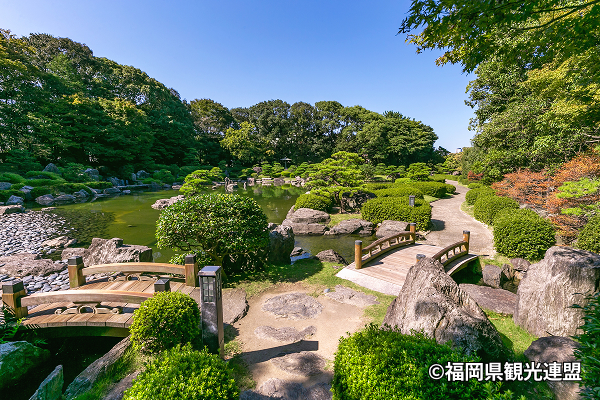
1. Ohori Park
- ・ Ohori Park is a centrally located urban park known for its scenic 2‑kilometer running course around a tranquil lake.
- ・ The flat, spacious path is ideal for runners of all levels, and the park's natural beauty provides a refreshing environment for exercise.
- ・ Its convenient access from downtown Fukuoka makes it a popular choice for both residents and visitors.
- ・ Ohori Park also features relaxing spots such as a Starbucks.
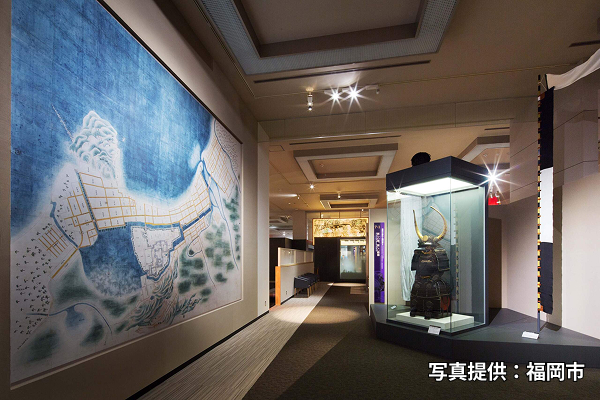
2. Fukuoka City Museum (closed on Monday, except national holiday)
- ・ Fukuoka City Museum presents the history of Fukuoka, a city that has long served as a gateway for cultural exchange with Asia.
- ・ Its most famous exhibit is the National Treasure Gold Seal, discovered on Shikanoshima Island, which offers insight into ancient diplomacy in Japan.
- ・ The museum also displays artifacts from the Kuroda family, the samurai rulers of the former Fukuoka Domain, including swords and armor.
- ・ Visitors can explore rotating special exhibitions and enjoy hands‑on experiences in the Asian Experience Learning Room.
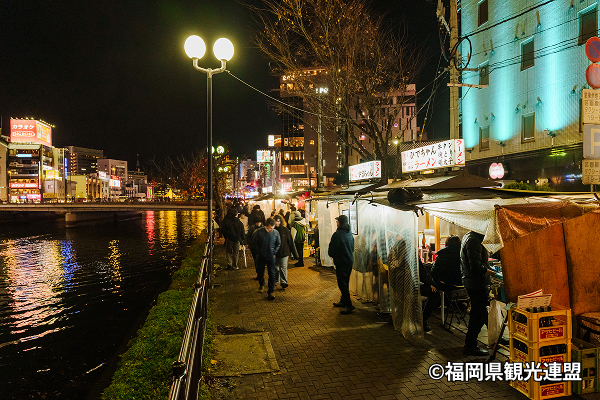
3. Nakasu / Tenjin Area: Yatai
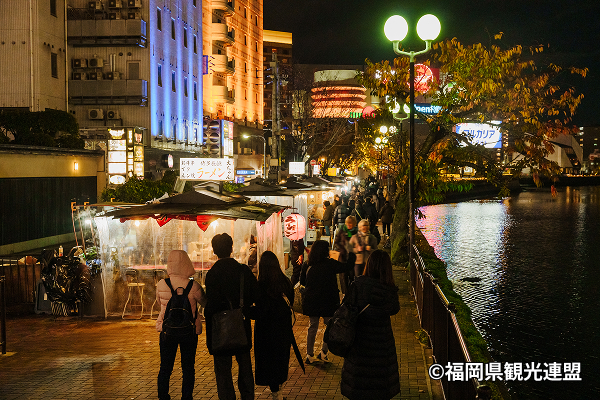
- ・ Fukuoka's yatai are traditional open‑air food stalls that play an important role in the city's culinary culture.
- ・ Concentrated mainly in the Tenjin and Nakasu districts, these stalls offer a wide range of local dishes and provide an intimate dining experience where visitors can interact with residents.
- ・ Their unique atmosphere and accessibility make them a must‑visit destination for international travelers.
4. Fukuoka Castle
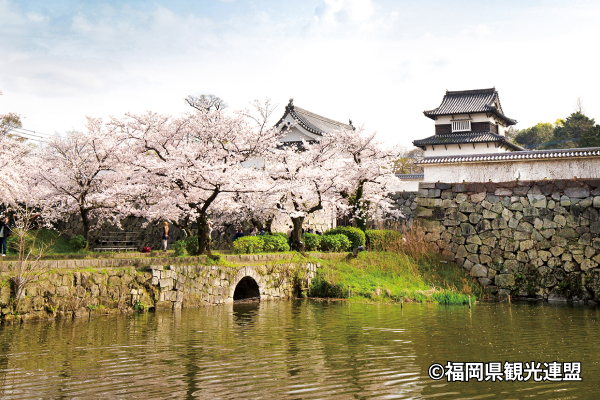
- ・ Fukuoka Castle is an early Edo‑period hilltop castle constructed by Kuroda Nagamasa, the first lord of the Fukuoka Domain.
- ・ Although much of the original structure was dismantled in the 19th century, the remaining stone walls, gates, and turrets are designated as a National Historic Site.
- ・ Located within Maizuru Park, the castle grounds offer seasonal beauty, historical exhibits, and access to the Korokan Historical Museum, which preserves Japan's only known ancient diplomatic guesthouse ruins.
5. Fukuoka Tower
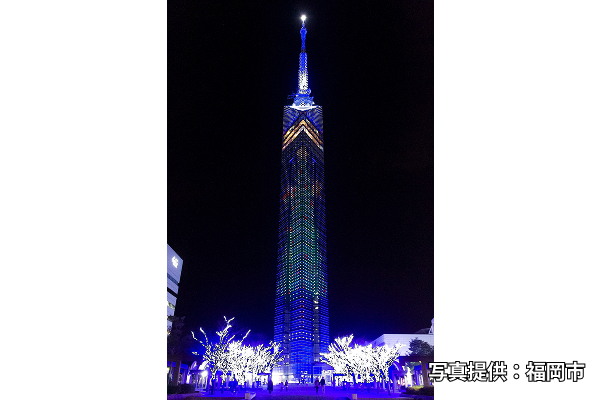
- ・ Fukuoka Tower is a 234‑meter (768-feet) seaside tower located in the Momochi area and is one of Fukuoka's most iconic landmarks.
- ・ Its highest observation deck at 123 meters provides a full 360‑degree view of the city, Hakata Bay, and the surrounding mountains.
- ・ The tower is covered with 8,000 half‑mirrors, giving it a unique "Mirror Sail" appearance.
- ・ At night, the tower lights up with seasonal illuminations, and the night view from the observation deck is ranked among Japan's top 100 nightscapes.
Sightseeing Spots near Fukuoka City
1. Kamatsuka Kofun (Tumulus)
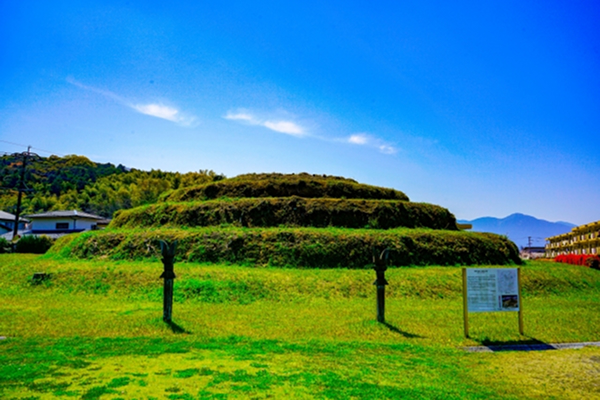
- ・ Kofun are monumental burial mounds built for members of Japan's ruling elite during the Kofun period (3rd–7th century). In Itoshima area, we can find Kamatsuka Kofun (Tumulus) in this area.
- ・ These mounds vary in shape—keyhole, round, square, and scallop—and often contain stone burial chambers with grave goods that reflect early Japan's political power and cultural exchange with China and Korea.
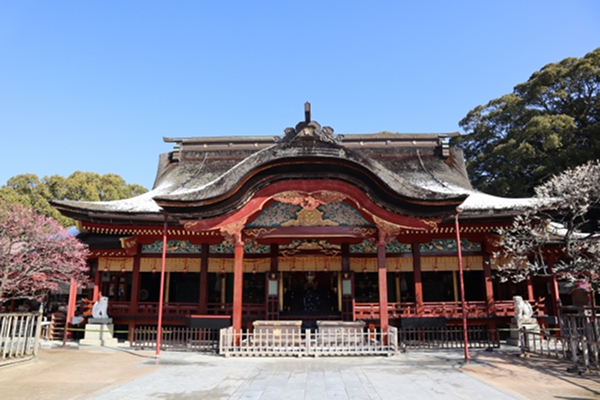
2. Dazaifu Tenmangu (Shrine)
- ・ Dazaifu Tenmangu is one of Japan's most significant Shinto shrines, dedicated to Sugawara Michizane, a renowned scholar and statesman of the Heian period.
- ・ After being exiled to Dazaifu, Michizane died here in 903, and the shrine was built on the site of his grave.
- ・ He was later deified as Tenjin, the god of learning, making the shrine a major pilgrimage site for students.
- ・ The grounds feature a heart‑shaped pond, symbolic bridges representing the past, present, and future, and nearly 6,000 plum trees, including the legendary "flying plum tree" that is said to have followed Michizane from Kyoto.
- ・ The main hall, dating back to 1591, is an Important Cultural Property.
- ・ The Kyushu National Museum is located near Tenmangu Shrine. It is one of only four national museums in Japan, alongside those in Tokyo, Kyoto, and Nara, and plays a vital role in understanding Japanese history.
3. Munakata Shrine
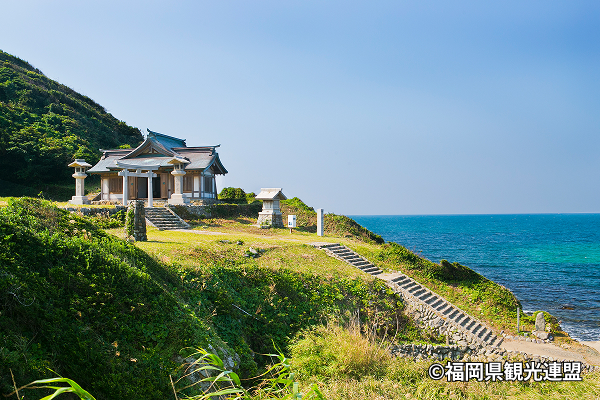
- ・ Munakata Taisha is one of Japan's oldest Shinto shrines and is dedicated to the three Munakata goddesses, daughters of the sun deity Amaterasu. The shrine consists of three sacred sites—Hetsu‑gu, Nakatsu‑gu, and Okitsu‑gu—collectively known as Munakata Taisha.
- ・ Okinoshima, where Okitsu‑gu is located, has been a sacred island for maritime safety since ancient times and remains strictly protected with no general public access.
- ・ In 2017, the three shrines and the ritual sites on Okinoshima were inscribed as a UNESCO World Cultural Heritage Site.
- ・ At Hetsu‑gu on the mainland, the Shinpōkan Treasure Hall displays more than 80,000 artifacts excavated from Okinoshima, many of which are designated National Treasures.
4. Itokoku History Museum (closed on Monday) in Itoshima City
- ・ The Itokoku History Museum is a comprehensive archaeological museum that presents the history and culture of the ancient Itokoku kingdom, a major political center in northern Kyushu during the Yayoi period.
- ・ Its collection includes National Treasure artifacts excavated from the Hirabaru burial site—such as 40 bronze mirrors, iron weapons, and jade ornaments—along with materials from other key sites like the Mikumo Minamikoji ruins.
- ・ The museum offers permanent exhibitions, special exhibitions, educational programs, and an observation floor overlooking the Itoshima region.
Gourmet Information
Fukuoka (Hakata) is famous for exceptionally fresh seafood from the Genkai Sea, offering sashimi, seafood bowls, and hot-pot dishes that highlight Kyushu's rich marine bounty, such as:
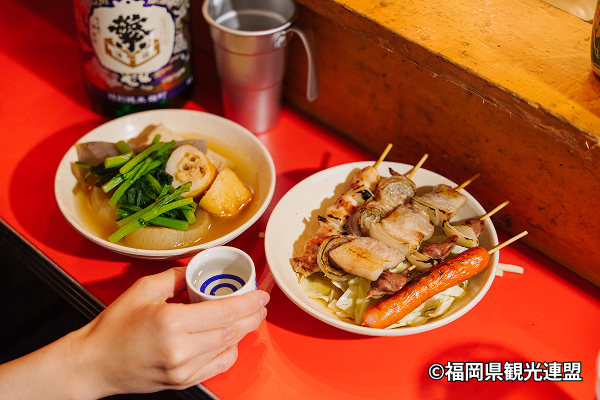
1. Yatai
- ・ Yatai are traditional open‑air food stalls.
- ・ They offer a casual dining experience where visitors can enjoy local dishes and interact with residents in an intimate setting.
- ・ These stalls contribute to the city's vibrant nightlife and remain a beloved symbol of Fukuoka.
2. Tonkotsu (pork bones) Ramen
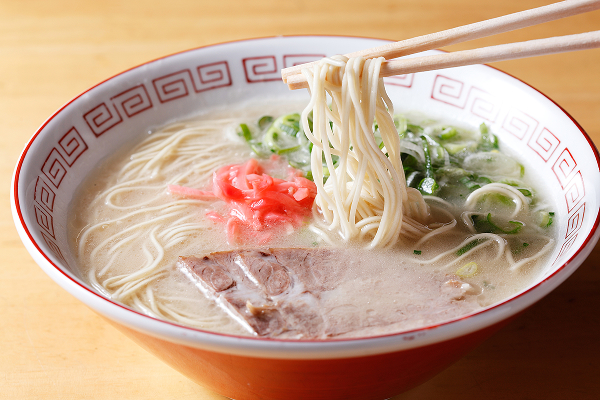
- ・ Tonkotsu ramen from Fukuoka is one of Japan's most iconic regional dishes. Its signature is a white, creamy broth made by boiling pork bones for many hours, creating a deep, savory flavor.
- ・ The noodles are very thin and straight, allowing them to cook quickly and pair perfectly with the rich soup.
- ・ Fukuoka is also known for the "kaedama" system, where customers can order an extra serving of noodles to add to their remaining soup.
3. Mizutaki (Chicken Hot Pot)
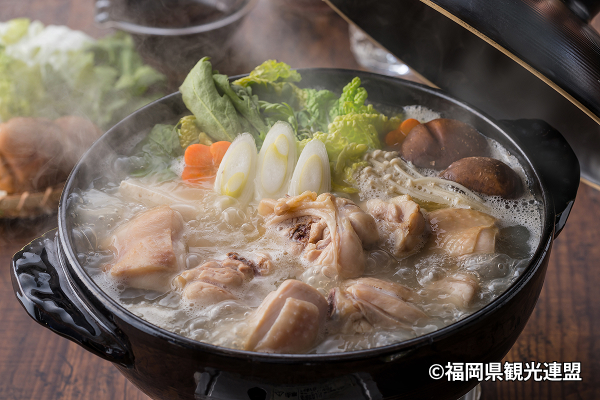
- ・ Mizutaki is a traditional Fukuoka hot-pot dish made by simmering chicken bones for hours to create a rich yet clean broth, enjoyed with tender chicken, vegetables, and citrus-soy dipping sauce.
4. Motsu Nabe (Tender Beef Hot Pot)
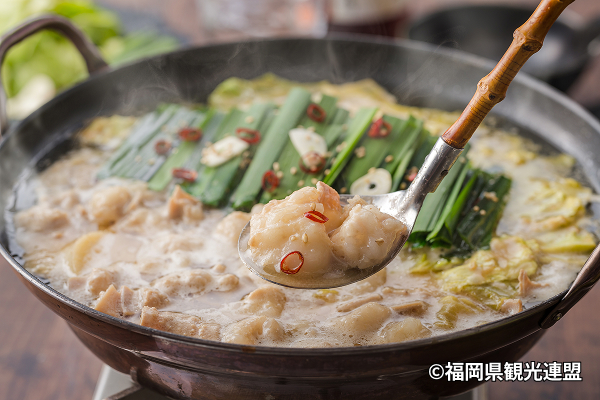
- ・ Hakata motsunabe is a hot-pot dish made with tender beef offal, cabbage, garlic chives, and a rich soy or miso broth — a hearty local specialty loved in Fukuoka.
5. Mentaiko (pollock roe)
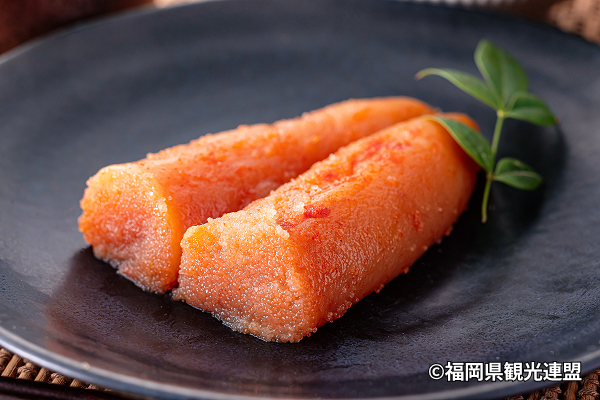
- ・ Mentaiko is a seasoned pollock roe product and one of Fukuoka's most iconic regional foods. Its flavor ranges from mild to very spicy, depending on the producer.
- ・ The tradition of marinating pollock roe originated on the Korean Peninsula, but Fukuoka became Japan's leading production center after the development of "karashi mentaiko" in 1949.
- ・ Today, Fukuoka remains the national leader in both production and consumption, offering factory tours, tasting experiences, and a wide variety of speciality products.