The 34th Kyoto Fukuchiyama Marathon
General
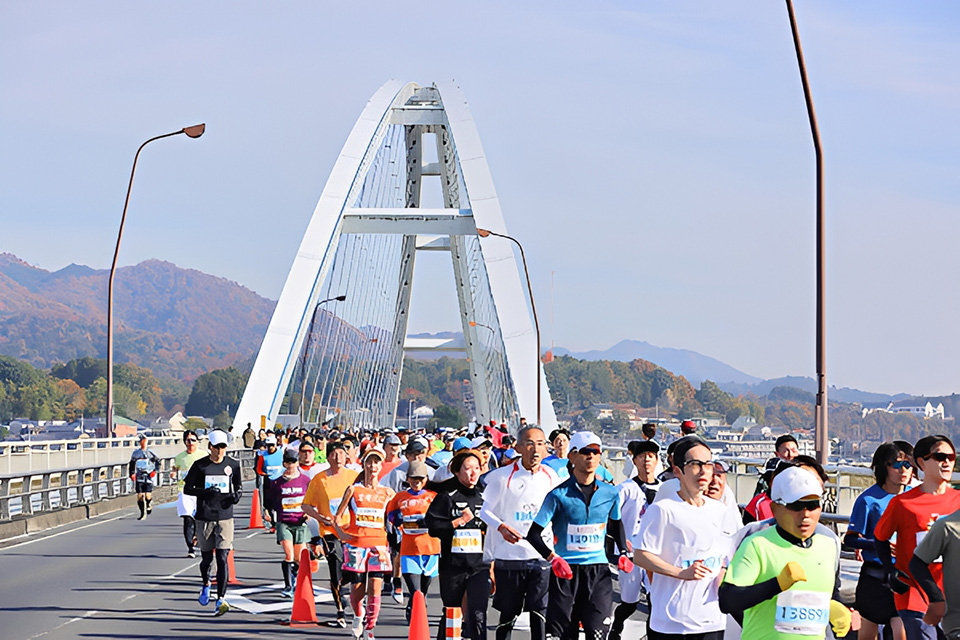
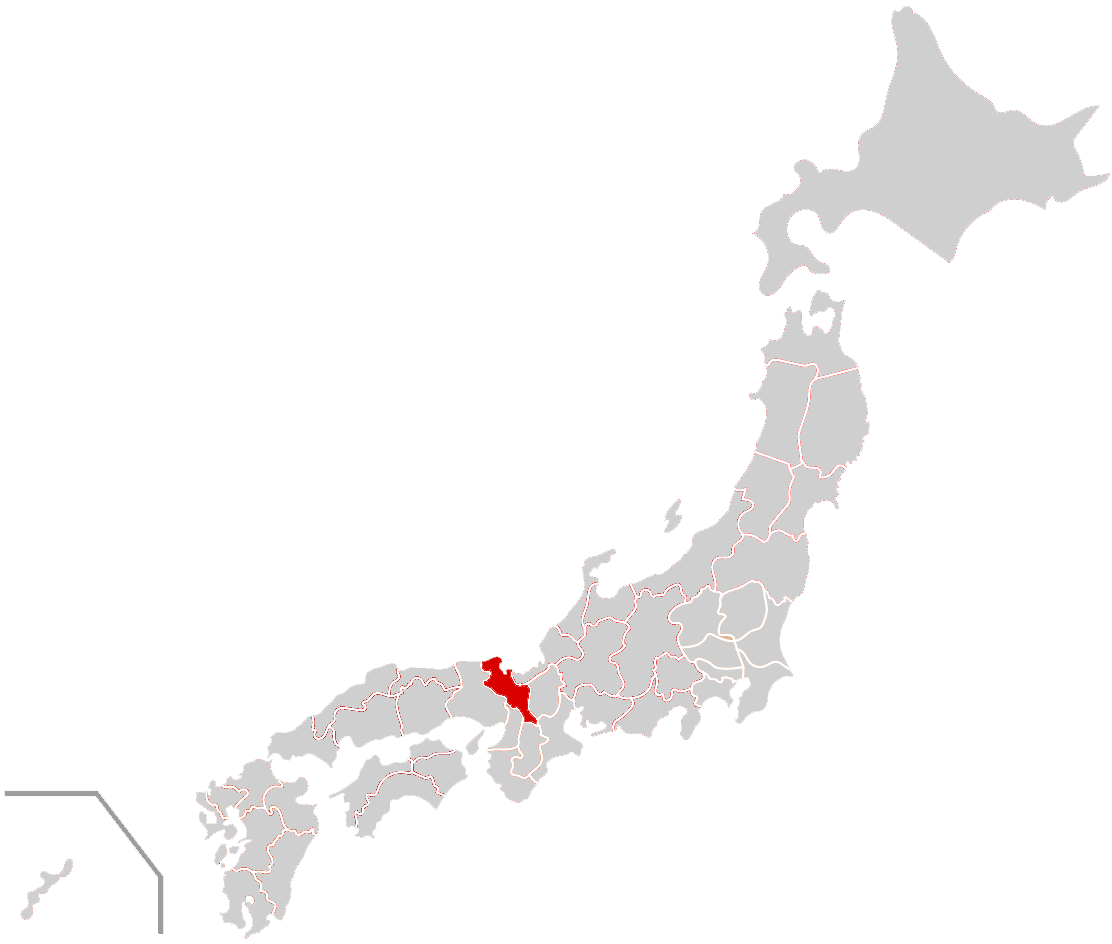
Held in Fukuchiyama City, Kyoto, this is a true “community-wide” marathon known for its warm and enthusiastic support along the course. The Fukuchiyama Marathon is highly praised for its friendly and helpful staff, as well as the heartfelt cheers from spectators lining the route. The event venue is not only for runners—spectators and visitors can also enjoy the day. A variety of booths will be set up, including food stalls and sponsor exhibits, creating a lively atmosphere where everyone can have a great time!
A mostly flat course where you can enjoy the castle and autumn foliage
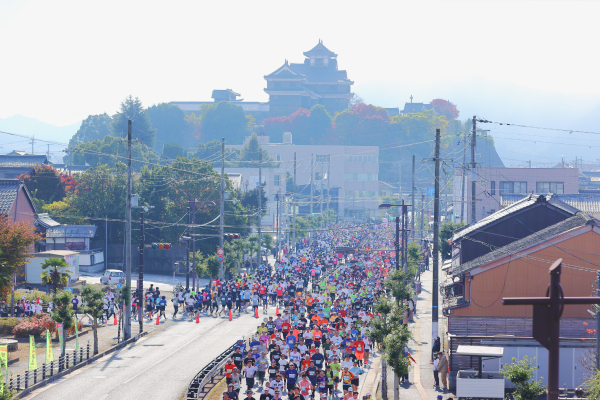
The start and finish are located at the vast Sandanike Park, a popular recreational spot for local residents. After the start, the course heads first toward the front of Fukuchiyama Castle—the symbol of Fukuchiyama—and then follows the Yura River, which is rich in natural beauty.
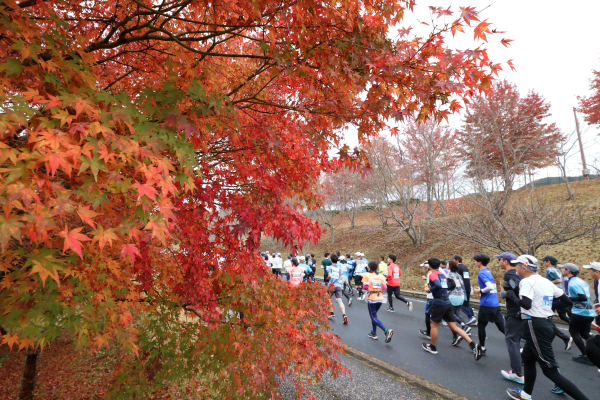
The scenery, where the autumn foliage—which typically reaches its peak at this time of year—blends with nature, is stunning. Aside from some slight elevation changes around the venue, the course is mostly flat and easy to run.
Enjoy delicious local cuisine at the race!
At the aid stations along the course and at the event venue, runners can enjoy a variety of local specialties. Last year, gourmet treats such as roast beef and canelés became a hot topic among participants, receiving enthusiastic reviews in race reports and across social media.
Free Admission to Fukuchiyama Castle for Runners!
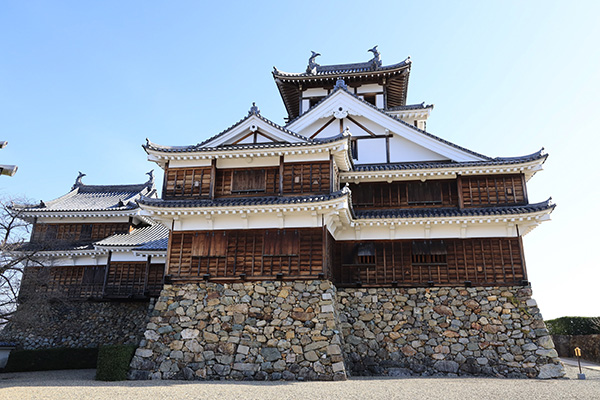
Fukuchiyama Castle, built by Akechi Mitsuhide, had its main keep demolished under the Meiji 6 (1873) Decree on the Abolition of Castles. It was later rebuilt in the Showa era through the “One Tile Campaign,” which called for widespread donations, and is now a symbol of Fukuchiyama. To mark the 40th anniversary of its reconstruction this year, free admission coupons will be distributed to all participating runners as a special offer.
(More on Fukuchiyama Castle below)
Why Fukuchiyama?
Charming and Historical City
Fukuchiyama is a charming regional city built around a 16th century castle created by the samurai lord Akechi Mitsuhide. Visitors can enjoy scenic parks, local hot springs, and the unique culture of Japanese “oni” (demons), including the famous legend of Shuten-dōji.
The city is also known for excellent local beef and sweets, making it a great destination for both history lovers and food travelers.
Well connected to Kyoto
Fukuchiyama is well connected to Kyoto by JR trains. The limited express trains run about once per hour and reach Kyoto in 1 hour and 15 minutes. Local trains are more affordable but take around 2 hours.
Pre- or Post-race Excursion
Sightseeing Spots in Fukuchiyama
Fukuchiyama is a historic castle town in northern Kyoto, famous for samurai heritage, beautiful nature, and unique Japanese demon folklore. Visitors can explore a 16th century castle, scenic parks, ancient shrines, and enjoy excellent local food.
1. Fukuchiyama Castle
IMPORTANT NOTICE to the Runners
Free admission coupons will be distributed to all participating runners.
Fukuchiyama Castle is a historic landmark constructed by Akechi Mitsuhide during the late 16th century. The castle’s reconstructed keep provides panoramic views of the city, while the museum inside showcases artifacts related to samurai culture and the region’s history.
Its impressive stone walls and strategic hilltop location make it an important cultural site in northern Kyoto.
The original Fukuchiyama Castle buildings were dismantled in the late 19th century after the Meiji government issued the ‘Abolition of Castles’ decree. The castle was considered unnecessary for modern military use, and its structures were removed. The current keep is a modern reconstruction built in 1986, thanks to the efforts of the city’s residents.
The driving force behind this was the “One Tile Campaign,” in which approximately 8,500 people donated a total of over 500 million yen, with each donation—equivalent to the cost of a single roof tile—set at 3,000 yen. The name of each donor is inscribed in ink on the back of the castle’s roof tiles.
2. Oni Museum
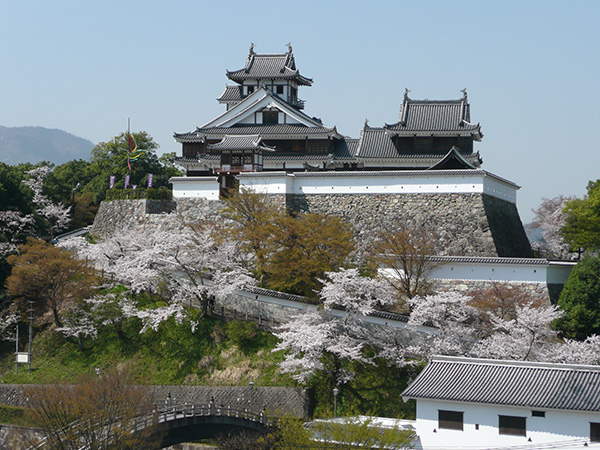
The Oni Museum is a specialized cultural institution showcasing Japan’s traditional demon folklore. Its collection includes masks, costumes, and historical materials from various regions, providing insight into how ‘oni’ have shaped Japanese mythology and performing arts.
Located near Mt. Oe, the site of the famous Shuten-dōji legend, the museum serves as an important center for preserving and sharing Japan’s demon culture.
3. Mt. Oe
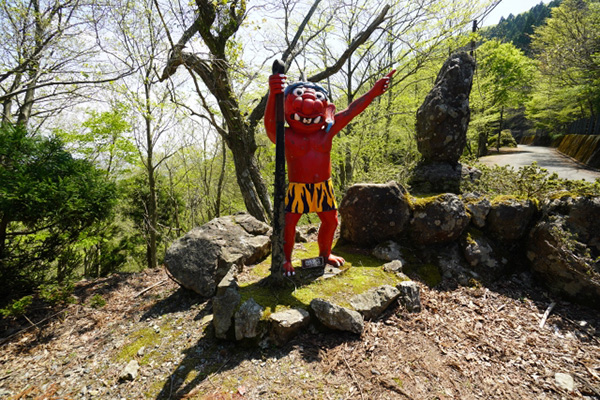
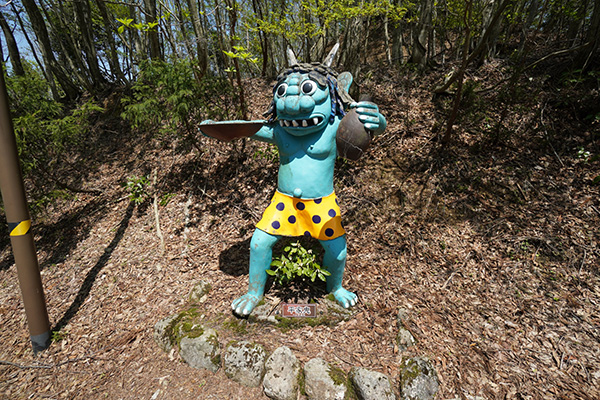
The Oe Mountain Range is known throughout Japan for its legends of demon-slaying, and it is also a vast recreational area blessed with expansive natural beauty.
Visitors can enjoy hiking while taking in the fresh greenery of spring and the autumn foliage. The area around the Oeyama trailhead is known as the “Village of Shuten-dōji,” and is home to numerous historical sites associated with demons.
In the spring of 2018, a long-distance trail route named the “Oeyama Trail” was established, and promotional efforts targeting hiking enthusiasts nationwide began. The route consists of 13 trails centered on the “Aka-Aka Ridge Trail,” which stretches approximately 16 km from Mt. Akaishigatake to Mt. Senjogatake and Mt. Akaiyama.
4. Motoise Shrines
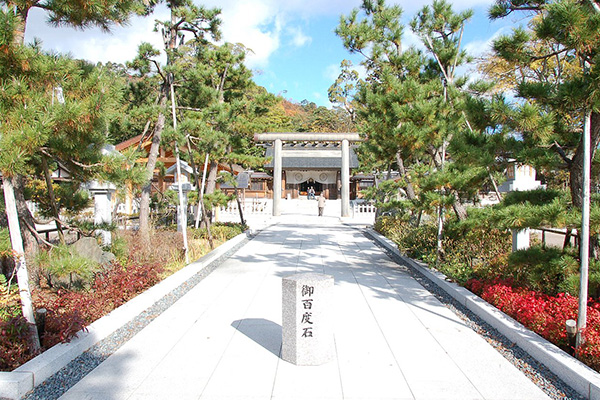
Motoise Shrines are historically significant Shinto sites associated with the origins of Japan’s imperial and religious traditions. These shrines are believed to have been early worship sites for the deities later enshrined at Ise Grand Shrine. Located in a serene mountain environment, the shrines offer visitors an opportunity to explore ancient mythology, traditional rituals, and the spiritual heritage of Japan.
Amaterasu Omikami is the supreme deity in Shinto mythology and the goddess of the sun.
She is regarded as the ancestral deity of the Imperial Family and one of Japan's most revered guardian deities. According to the Nihon Shoki (Chronicles of Japan), she was described as shining brilliantly from the moment of her birth, symbolizing light and life.
The divine blessings exert divine virtue in all sorts of things, such as national security, abundant grains, and improved vitality.
Sightseeing Spots nearby Fukuchiyama City
The area around Fukuchiyama offers easy access to hot spring towns, scenic coastlines, historic villages, and famous cultural sites such as Amanohashidate and Kinosaki Onsen. It’s an excellent base for exploring northern Kyoto and the Sea of Japan region.
1. Amanohashidate
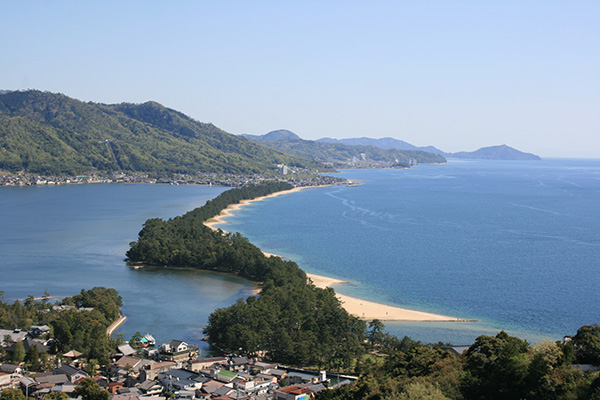
Amanohashidate is one of Japan’s Three Scenic Views (Matsushima: Miyagi Pref, Miyajima: Hiroshima Pref and Amanohashidate: Kyoto Pref), known for its 3.6 kilometer pine-covered sandbar stretching across Miyazu Bay. The site offers panoramic viewpoints, cultural landmarks such as Chionji Temple. Its distinctive landscape and traditional viewing customs make it an iconic destination in northern Kyoto.
2. Kinosaki Onsen (Hot Spring)
Kinosaki Onsen is a historic hot spring town renowned for its seven public bathhouses and traditional atmosphere. Guests typically wear yukata provided by their ryokan and enjoy strolling through the town while visiting each bathhouse. Its combination of cultural heritage, scenic streets, and high-quality hot springs makes it a leading destination for international visitors.

3. Ine no Funaya (boathouses)
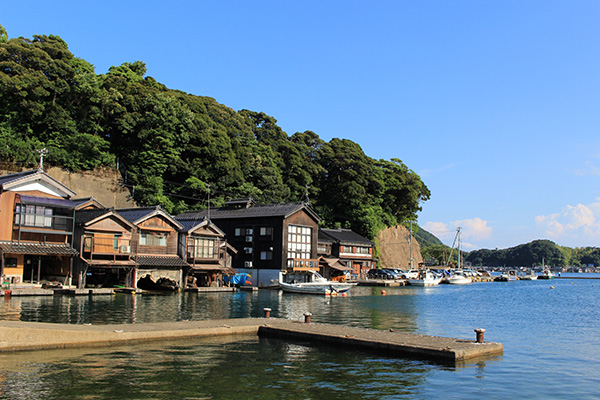
Ine no Funaya is a traditional coastal settlement known for its distinctive boathouses built directly over the water. These structures reflect the region’s long fishing heritage and create a rare and picturesque landscape. The village offers boat tours, fresh seafood, and opportunities to experience traditional Japanese coastal culture.
4. Kyoto City
Kyoto is Japan’s former capital and the cultural heart of the country. It is famous for its beautiful temples, traditional wooden streets, peaceful gardens, and seasonal scenery such as cherry blossoms and autumn leaves. Kyoto City is about an hour and 15 minutes by train from Fukuchiyama City, making it the perfect place to visit before or after the race. Below are some recommended sightseeing spots in Kyoto, divided into the western and eastern areas.
Western Part
① Kinkaku-ji Temple (Golden Pavilion)
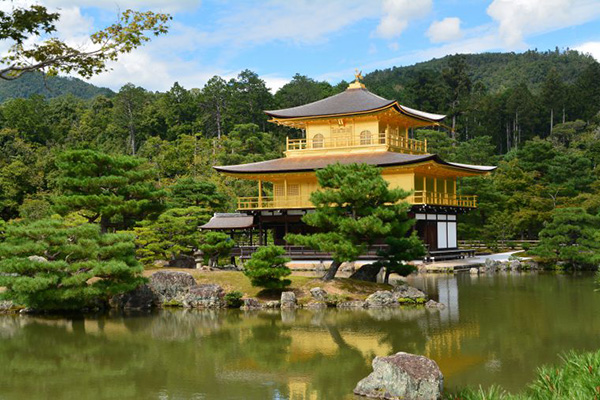
Kinkaku-ji, also known as the Golden Pavilion, is one of Kyoto’s most famous Zen temples.
Its top two floors are completely covered in gold leaf, creating a stunning reflection on the surrounding Mirror Pond. Originally built in 1397 as the retirement villa of the shogun Ashikaga Yoshimitsu, it was later converted into a temple. The current building dates from 1955 after the original was destroyed by fire. Today, Kinkaku-ji is a UNESCO World Heritage Site and a symbol of Japan’s traditional beauty and spirituality.
② Ryoan-ji Temple
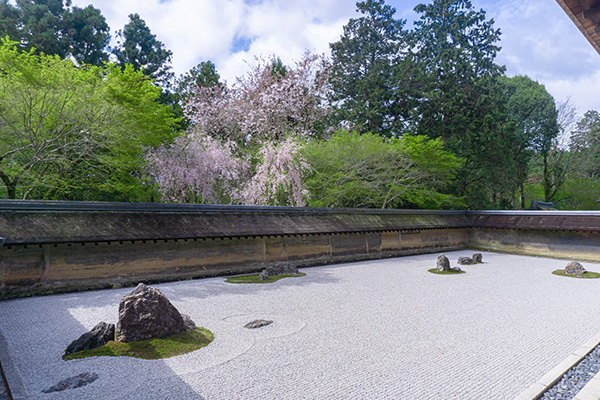
Ryoan-ji is a Zen temple in Kyoto famous for its rock garden, considered one of Japan’s greatest masterpieces of Zen design. The garden features 15 carefully arranged rocks set in white gravel, creating a peaceful space meant for meditation and reflection. Built in the late 15th century, Ryoan-ji is a UNESCO World Heritage Site and a symbol of Japanese minimalism and spiritual beauty.
③ Arashiyama Monkey Park
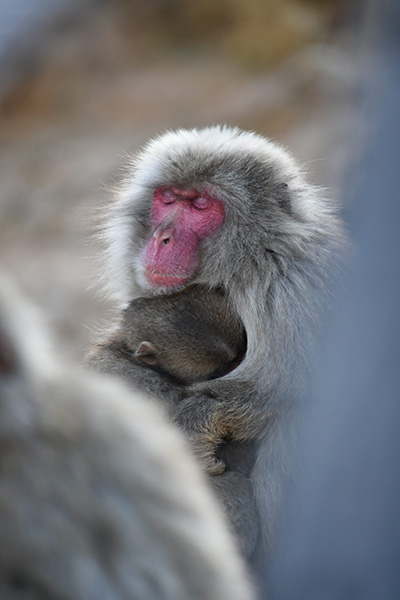
The Monkey Park Iwatayama is populated with free-ranging monkeys that await visitors at the mountaintop. The road to the park consists of a surprisingly tranquil trail, with panoramic views that make the hike itself worth the trip to the top. After arriving, you can buy a pack of snacks for a few hundred yen to feed to the monkeys from inside an enclosed rest area.
Eastern Part
① Ginkaku-ji Temple (Silver Pavilion)
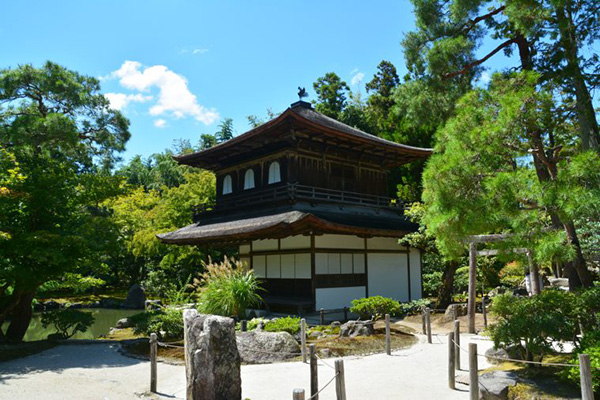
Ginkaku-ji, or the Silver Pavilion, is a Zen temple in Kyoto known for its calm and elegant atmosphere. Built in 1482 by shogun Ashikaga Yoshimasa, it was never actually covered in silver, but its simple wooden design reflects the Japanese aesthetic of “wabi-sabi,” the beauty of simplicity and imperfection. The temple’s moss garden and the famous sand garden, called the “Sea of Silver Sand,” make Ginkaku-ji one of Kyoto’s most peaceful and inspiring places.
② Fushimi Inari Shrine
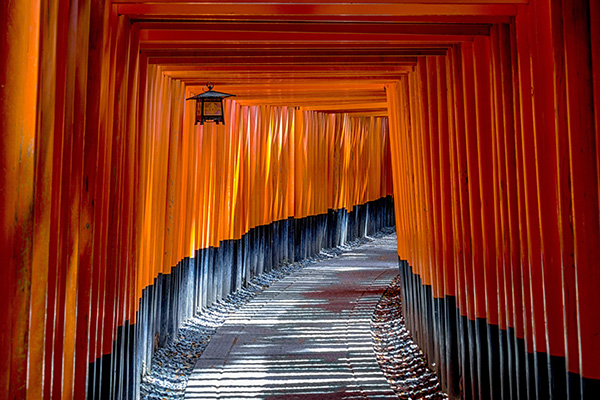
Fushimi Inari Shrine is one of Japan’s most famous Shinto shrines, known for its thousands of bright red torii gates that form a tunnel along the mountain path. Dedicated to Inari, the deity of prosperity and good fortune, the shrine has a history of over 1,300 years. Visitors can walk through the iconic torii gates up Mount Inari, enjoying beautiful views and a unique spiritual atmosphere.
③ Higashiyama Trail Course
The Higashiyama Course consists of two hiking trails: a roughly 9.5-kilometer route that winds through the Fushimi Momoyama and Fukakusa areas, and a roughly 24.6-kilometer trail that runs from Fushimi Inari Taisha to Mt. Kiyomizu, the Incline, the “Daimonji-yama Yotsutsuji” intersection, and the Philosopher’s Path, eventually reaching Mt. Hiei.
・ You can enjoy views of downtown Kyoto while experiencing the area’s rich nature, history, and culture. With excellent transportation access and easy entry and exit points, this course is recommended for beginners. It features many iconic Kyoto sightseeing spots along the way, allowing you to fully immerse yourself in the city’s culture and natural beauty.
Gourmet Information
Fukuchiyama is known for its rich food culture, including duck hotpot, unique local noodles, traditional wild boar dishes, high quality sweets made with Tanba ingredients, and a strong barbecue and ramen scene. It’s a great city for travelers who want to explore authentic regional Japanese cuisine.
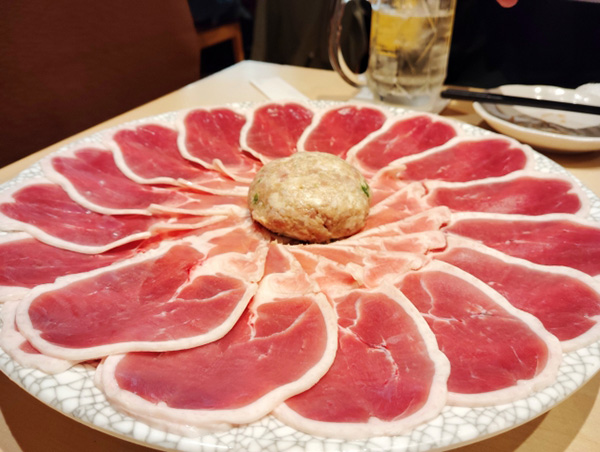
1. Kamo-suki (Duck Hotpot)— The Signature Dish of Fukuchiyama
It is Fukuchiyama’s signature duck hotpot, featuring tender duck meat and sweet leeks simmered in a flavorful broth.
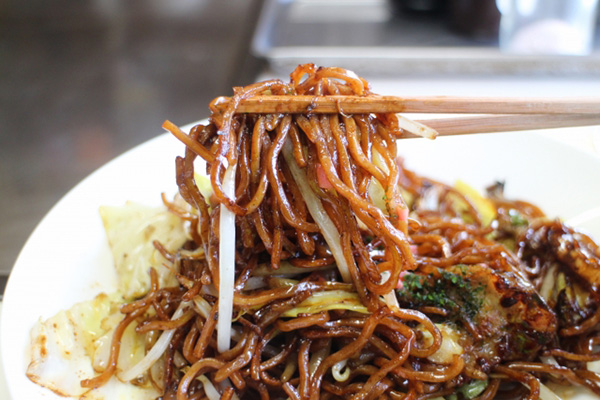
2. Gomu Yakisoba — Chewy Local Noodles
It is a local stir fried noodle dish known for its uniquely firm, chewy texture.
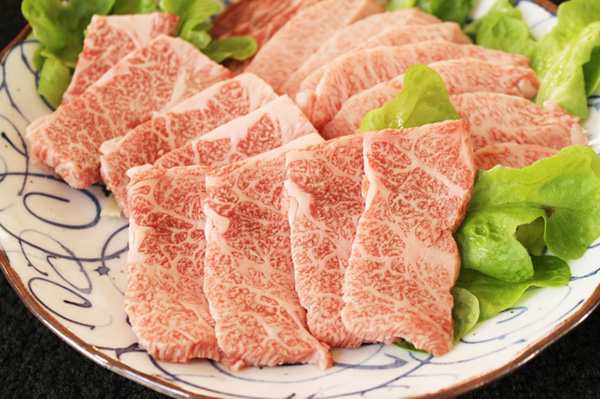
3. Meat Town — One of Japan’s Top Yakiniku Cities
Fukuchiyama is famous as a ‘Meat Town,’ with one of the highest concentrations of barbecue restaurants in Japan.
4. Local Ramen Culture
Fukuchiyama has a strong local ramen culture, including the popular Fukuchian Ramen known for its mild pork and chicken broth.
5. Sweets Town – High-Quality Japanese and Western Desserts
Fukuchiyama is known as a ‘Sweets Town,’ offering high-quality cakes, pastries, and traditional Japanese sweets made with local Tanba ingredients.
It's a very exciting race event. We are very much looking forward to seeing you at the race venue.
The 34th Kyoto Fukuchiyama Marathon
General
Held in Fukuchiyama City, Kyoto, this is a true “community-wide” marathon known for its warm and enthusiastic support along the course. The Fukuchiyama Marathon is highly praised for its friendly and helpful staff, as well as the heartfelt cheers from spectators lining the route. The event venue is not only for runners—spectators and visitors can also enjoy the day. A variety of booths will be set up, including food stalls and sponsor exhibits, creating a lively atmosphere where everyone can have a great time!
A mostly flat course where you can enjoy the castle and autumn foliage
The start and finish are located at the vast Sandanike Park, a popular recreational spot for local residents. After the start, the course heads first toward the front of Fukuchiyama Castle—the symbol of Fukuchiyama—and then follows the Yura River, which is rich in natural beauty.
The scenery, where the autumn foliage—which typically reaches its peak at this time of year—blends with nature, is stunning. Aside from some slight elevation changes around the venue, the course is mostly flat and easy to run.
Enjoy delicious local cuisine at the race!
At the aid stations along the course and at the event venue, runners can enjoy a variety of local specialties. Last year, gourmet treats such as roast beef and canelés became a hot topic among participants, receiving enthusiastic reviews in race reports and across social media.
Free Admission to Fukuchiyama Castle for Runners!
Fukuchiyama Castle, built by Akechi Mitsuhide, had its main keep demolished under the Meiji 6 (1873) Decree on the Abolition of Castles. It was later rebuilt in the Showa era through the “One Tile Campaign,” which called for widespread donations, and is now a symbol of Fukuchiyama. To mark the 40th anniversary of its reconstruction this year, free admission coupons will be distributed to all participating runners as a special offer.
(More on Fukuchiyama Castle below)
Why Fukuchiyama?
Charming and Historical City
Fukuchiyama is a charming regional city built around a 16th century castle created by the samurai lord Akechi Mitsuhide. Visitors can enjoy scenic parks, local hot springs, and the unique culture of Japanese “oni” (demons), including the famous legend of Shuten-dōji.
The city is also known for excellent local beef and sweets, making it a great destination for both history lovers and food travelers.
Well connected to Kyoto
Fukuchiyama is well connected to Kyoto by JR trains. The limited express trains run about once per hour and reach Kyoto in 1 hour and 15 minutes. Local trains are more affordable but take around 2 hours.
Pre- or Post-race Excursion
Sightseeing Spots in Fukuchiyama
Fukuchiyama is a historic castle town in northern Kyoto, famous for samurai heritage, beautiful nature, and unique Japanese demon folklore. Visitors can explore a 16th century castle, scenic parks, ancient shrines, and enjoy excellent local food.
1. Fukuchiyama Castle
IMPORTANT NOTICE to the Runners
Free admission coupons will be distributed to all participating runners.
Fukuchiyama Castle is a historic landmark constructed by Akechi Mitsuhide during the late 16th century. The castle’s reconstructed keep provides panoramic views of the city, while the museum inside showcases artifacts related to samurai culture and the region’s history.
Its impressive stone walls and strategic hilltop location make it an important cultural site in northern Kyoto.
The original Fukuchiyama Castle buildings were dismantled in the late 19th century after the Meiji government issued the ‘Abolition of Castles’ decree. The castle was considered unnecessary for modern military use, and its structures were removed. The current keep is a modern reconstruction built in 1986, thanks to the efforts of the city’s residents.
The driving force behind this was the “One Tile Campaign,” in which approximately 8,500 people donated a total of over 500 million yen, with each donation—equivalent to the cost of a single roof tile—set at 3,000 yen. The name of each donor is inscribed in ink on the back of the castle’s roof tiles.
2. Oni Museum
The Oni Museum is a specialized cultural institution showcasing Japan’s traditional demon folklore. Its collection includes masks, costumes, and historical materials from various regions, providing insight into how ‘oni’ have shaped Japanese mythology and performing arts.
Located near Mt. Oe, the site of the famous Shuten-dōji legend, the museum serves as an important center for preserving and sharing Japan’s demon culture.
3. Mt. Oe
The Oe Mountain Range is known throughout Japan for its legends of demon-slaying, and it is also a vast recreational area blessed with expansive natural beauty.
Visitors can enjoy hiking while taking in the fresh greenery of spring and the autumn foliage. The area around the Oeyama trailhead is known as the “Village of Shuten-dōji,” and is home to numerous historical sites associated with demons.
In the spring of 2018, a long-distance trail route named the “Oeyama Trail” was established, and promotional efforts targeting hiking enthusiasts nationwide began. The route consists of 13 trails centered on the “Aka-Aka Ridge Trail,” which stretches approximately 16 km from Mt. Akaishigatake to Mt. Senjogatake and Mt. Akaiyama.
4. Motoise Shrines
Motoise Shrines are historically significant Shinto sites associated with the origins of Japan’s imperial and religious traditions. These shrines are believed to have been early worship sites for the deities later enshrined at Ise Grand Shrine. Located in a serene mountain environment, the shrines offer visitors an opportunity to explore ancient mythology, traditional rituals, and the spiritual heritage of Japan.
Amaterasu Omikami is the supreme deity in Shinto mythology and the goddess of the sun.
She is regarded as the ancestral deity of the Imperial Family and one of Japan's most revered guardian deities. According to the Nihon Shoki (Chronicles of Japan), she was described as shining brilliantly from the moment of her birth, symbolizing light and life.
The divine blessings exert divine virtue in all sorts of things, such as national security, abundant grains, and improved vitality.
Sightseeing Spots nearby Fukuchiyama City
The area around Fukuchiyama offers easy access to hot spring towns, scenic coastlines, historic villages, and famous cultural sites such as Amanohashidate and Kinosaki Onsen. It’s an excellent base for exploring northern Kyoto and the Sea of Japan region.
1. Amanohashidate
Amanohashidate is one of Japan’s Three Scenic Views (Matsushima: Miyagi Pref, Miyajima: Hiroshima Pref and Amanohashidate: Kyoto Pref), known for its 3.6 kilometer pine-covered sandbar stretching across Miyazu Bay. The site offers panoramic viewpoints, cultural landmarks such as Chionji Temple. Its distinctive landscape and traditional viewing customs make it an iconic destination in northern Kyoto.
2. Kinosaki Onsen (Hot Spring)
Kinosaki Onsen is a historic hot spring town renowned for its seven public bathhouses and traditional atmosphere. Guests typically wear yukata provided by their ryokan and enjoy strolling through the town while visiting each bathhouse. Its combination of cultural heritage, scenic streets, and high-quality hot springs makes it a leading destination for international visitors.
3. Ine no Funaya (boathouses)
Ine no Funaya is a traditional coastal settlement known for its distinctive boathouses built directly over the water. These structures reflect the region’s long fishing heritage and create a rare and picturesque landscape. The village offers boat tours, fresh seafood, and opportunities to experience traditional Japanese coastal culture.
4. Kyoto City
Kyoto is Japan’s former capital and the cultural heart of the country. It is famous for its beautiful temples, traditional wooden streets, peaceful gardens, and seasonal scenery such as cherry blossoms and autumn leaves. Kyoto City is about an hour and 15 minutes by train from Fukuchiyama City, making it the perfect place to visit before or after the race. Below are some recommended sightseeing spots in Kyoto, divided into the western and eastern areas.
Western Part
① Kinkaku-ji Temple (Golden Pavilion)
Kinkaku-ji, also known as the Golden Pavilion, is one of Kyoto’s most famous Zen temples.
Its top two floors are completely covered in gold leaf, creating a stunning reflection on the surrounding Mirror Pond. Originally built in 1397 as the retirement villa of the shogun Ashikaga Yoshimitsu, it was later converted into a temple. The current building dates from 1955 after the original was destroyed by fire. Today, Kinkaku-ji is a UNESCO World Heritage Site and a symbol of Japan’s traditional beauty and spirituality.
② Ryoan-ji Temple
Ryoan-ji is a Zen temple in Kyoto famous for its rock garden, considered one of Japan’s greatest masterpieces of Zen design. The garden features 15 carefully arranged rocks set in white gravel, creating a peaceful space meant for meditation and reflection. Built in the late 15th century, Ryoan-ji is a UNESCO World Heritage Site and a symbol of Japanese minimalism and spiritual beauty.
③ Arashiyama Monkey Park
The Monkey Park Iwatayama is populated with free-ranging monkeys that await visitors at the mountaintop. The road to the park consists of a surprisingly tranquil trail, with panoramic views that make the hike itself worth the trip to the top. After arriving, you can buy a pack of snacks for a few hundred yen to feed to the monkeys from inside an enclosed rest area.
Eastern Part
① Ginkaku-ji Temple (Silver Pavilion)
Ginkaku-ji, or the Silver Pavilion, is a Zen temple in Kyoto known for its calm and elegant atmosphere. Built in 1482 by shogun Ashikaga Yoshimasa, it was never actually covered in silver, but its simple wooden design reflects the Japanese aesthetic of “wabi-sabi,” the beauty of simplicity and imperfection. The temple’s moss garden and the famous sand garden, called the “Sea of Silver Sand,” make Ginkaku-ji one of Kyoto’s most peaceful and inspiring places.
② Fushimi Inari Shrine
Fushimi Inari Shrine is one of Japan’s most famous Shinto shrines, known for its thousands of bright red torii gates that form a tunnel along the mountain path. Dedicated to Inari, the deity of prosperity and good fortune, the shrine has a history of over 1,300 years. Visitors can walk through the iconic torii gates up Mount Inari, enjoying beautiful views and a unique spiritual atmosphere.
③ Higashiyama Trail Course
The Higashiyama Course consists of two hiking trails: a roughly 9.5-kilometer route that winds through the Fushimi Momoyama and Fukakusa areas, and a roughly 24.6-kilometer trail that runs from Fushimi Inari Taisha to Mt. Kiyomizu, the Incline, the “Daimonji-yama Yotsutsuji” intersection, and the Philosopher’s Path, eventually reaching Mt. Hiei.
・ You can enjoy views of downtown Kyoto while experiencing the area’s rich nature, history, and culture. With excellent transportation access and easy entry and exit points, this course is recommended for beginners. It features many iconic Kyoto sightseeing spots along the way, allowing you to fully immerse yourself in the city’s culture and natural beauty.
Gourmet Information
Fukuchiyama is known for its rich food culture, including duck hotpot, unique local noodles, traditional wild boar dishes, high quality sweets made with Tanba ingredients, and a strong barbecue and ramen scene. It’s a great city for travelers who want to explore authentic regional Japanese cuisine.
1. Kamo-suki (Duck Hotpot)— The Signature Dish of Fukuchiyama
It is Fukuchiyama’s signature duck hotpot, featuring tender duck meat and sweet leeks simmered in a flavorful broth.
2. Gomu Yakisoba — Chewy Local Noodles
It is a local stir fried noodle dish known for its uniquely firm, chewy texture.
3. Meat Town — One of Japan’s Top Yakiniku Cities
Fukuchiyama is famous as a ‘Meat Town,’ with one of the highest concentrations of barbecue restaurants in Japan.
4. Local Ramen Culture
Fukuchiyama has a strong local ramen culture, including the popular Fukuchian Ramen known for its mild pork and chicken broth.
5. Sweets Town – High-Quality Japanese and Western Desserts
Fukuchiyama is known as a ‘Sweets Town,’ offering high-quality cakes, pastries, and traditional Japanese sweets made with local Tanba ingredients.
It's a very exciting race event. We are very much looking forward to seeing you at the race venue.
The 34th Kyoto Fukuchiyama Marathon
General
Held in Fukuchiyama City, Kyoto, this is a true “community-wide” marathon known for its warm and enthusiastic support along the course. The Fukuchiyama Marathon is highly praised for its friendly and helpful staff, as well as the heartfelt cheers from spectators lining the route. The event venue is not only for runners—spectators and visitors can also enjoy the day. A variety of booths will be set up, including food stalls and sponsor exhibits, creating a lively atmosphere where everyone can have a great time!
A mostly flat course where you can enjoy the castle and autumn foliage
The start and finish are located at the vast Sandanike Park, a popular recreational spot for local residents. After the start, the course heads first toward the front of Fukuchiyama Castle—the symbol of Fukuchiyama—and then follows the Yura River, which is rich in natural beauty.
The scenery, where the autumn foliage—which typically reaches its peak at this time of year—blends with nature, is stunning. Aside from some slight elevation changes around the venue, the course is mostly flat and easy to run.
Enjoy delicious local cuisine at the race!
At the aid stations along the course and at the event venue, runners can enjoy a variety of local specialties. Last year, gourmet treats such as roast beef and canelés became a hot topic among participants, receiving enthusiastic reviews in race reports and across social media.
Free Admission to Fukuchiyama Castle for Runners!
Fukuchiyama Castle, built by Akechi Mitsuhide, had its main keep demolished under the Meiji 6 (1873) Decree on the Abolition of Castles. It was later rebuilt in the Showa era through the “One Tile Campaign,” which called for widespread donations, and is now a symbol of Fukuchiyama. To mark the 40th anniversary of its reconstruction this year, free admission coupons will be distributed to all participating runners as a special offer.
(More on Fukuchiyama Castle below)
Why Fukuchiyama?
Charming and Historical City
Fukuchiyama is a charming regional city built around a 16th century castle created by the samurai lord Akechi Mitsuhide. Visitors can enjoy scenic parks, local hot springs, and the unique culture of Japanese “oni” (demons), including the famous legend of Shuten-dōji.
The city is also known for excellent local beef and sweets, making it a great destination for both history lovers and food travelers.
Well connected to Kyoto
Fukuchiyama is well connected to Kyoto by JR trains. The limited express trains run about once per hour and reach Kyoto in 1 hour and 15 minutes. Local trains are more affordable but take around 2 hours.
Pre- or Post-race Excursion
Sightseeing Spots in Fukuchiyama
Fukuchiyama is a historic castle town in northern Kyoto, famous for samurai heritage, beautiful nature, and unique Japanese demon folklore. Visitors can explore a 16th century castle, scenic parks, ancient shrines, and enjoy excellent local food.
1. Fukuchiyama Castle
IMPORTANT NOTICE to the Runners
Free admission coupons will be distributed to all participating runners.
Fukuchiyama Castle is a historic landmark constructed by Akechi Mitsuhide during the late 16th century. The castle’s reconstructed keep provides panoramic views of the city, while the museum inside showcases artifacts related to samurai culture and the region’s history.
Its impressive stone walls and strategic hilltop location make it an important cultural site in northern Kyoto.
The original Fukuchiyama Castle buildings were dismantled in the late 19th century after the Meiji government issued the ‘Abolition of Castles’ decree. The castle was considered unnecessary for modern military use, and its structures were removed. The current keep is a modern reconstruction built in 1986, thanks to the efforts of the city’s residents.
The driving force behind this was the “One Tile Campaign,” in which approximately 8,500 people donated a total of over 500 million yen, with each donation—equivalent to the cost of a single roof tile—set at 3,000 yen. The name of each donor is inscribed in ink on the back of the castle’s roof tiles.
2. Oni Museum
The Oni Museum is a specialized cultural institution showcasing Japan’s traditional demon folklore. Its collection includes masks, costumes, and historical materials from various regions, providing insight into how ‘oni’ have shaped Japanese mythology and performing arts.
Located near Mt. Oe, the site of the famous Shuten-dōji legend, the museum serves as an important center for preserving and sharing Japan’s demon culture.
3. Mt. Oe
The Oe Mountain Range is known throughout Japan for its legends of demon-slaying, and it is also a vast recreational area blessed with expansive natural beauty.
Visitors can enjoy hiking while taking in the fresh greenery of spring and the autumn foliage. The area around the Oeyama trailhead is known as the “Village of Shuten-dōji,” and is home to numerous historical sites associated with demons.
In the spring of 2018, a long-distance trail route named the “Oeyama Trail” was established, and promotional efforts targeting hiking enthusiasts nationwide began. The route consists of 13 trails centered on the “Aka-Aka Ridge Trail,” which stretches approximately 16 km from Mt. Akaishigatake to Mt. Senjogatake and Mt. Akaiyama.
4. Motoise Shrines
Motoise Shrines are historically significant Shinto sites associated with the origins of Japan’s imperial and religious traditions. These shrines are believed to have been early worship sites for the deities later enshrined at Ise Grand Shrine. Located in a serene mountain environment, the shrines offer visitors an opportunity to explore ancient mythology, traditional rituals, and the spiritual heritage of Japan.
Amaterasu Omikami is the supreme deity in Shinto mythology and the goddess of the sun.
She is regarded as the ancestral deity of the Imperial Family and one of Japan's most revered guardian deities. According to the Nihon Shoki (Chronicles of Japan), she was described as shining brilliantly from the moment of her birth, symbolizing light and life.
The divine blessings exert divine virtue in all sorts of things, such as national security, abundant grains, and improved vitality.
Sightseeing Spots nearby Fukuchiyama City
The area around Fukuchiyama offers easy access to hot spring towns, scenic coastlines, historic villages, and famous cultural sites such as Amanohashidate and Kinosaki Onsen. It’s an excellent base for exploring northern Kyoto and the Sea of Japan region.
1. Amanohashidate
Amanohashidate is one of Japan’s Three Scenic Views (Matsushima: Miyagi Pref, Miyajima: Hiroshima Pref and Amanohashidate: Kyoto Pref), known for its 3.6 kilometer pine-covered sandbar stretching across Miyazu Bay. The site offers panoramic viewpoints, cultural landmarks such as Chionji Temple. Its distinctive landscape and traditional viewing customs make it an iconic destination in northern Kyoto.
2. Kinosaki Onsen (Hot Spring)
Kinosaki Onsen is a historic hot spring town renowned for its seven public bathhouses and traditional atmosphere. Guests typically wear yukata provided by their ryokan and enjoy strolling through the town while visiting each bathhouse. Its combination of cultural heritage, scenic streets, and high-quality hot springs makes it a leading destination for international visitors.
3. Ine no Funaya (boathouses)
Ine no Funaya is a traditional coastal settlement known for its distinctive boathouses built directly over the water. These structures reflect the region’s long fishing heritage and create a rare and picturesque landscape. The village offers boat tours, fresh seafood, and opportunities to experience traditional Japanese coastal culture.
4. Kyoto City
Kyoto is Japan’s former capital and the cultural heart of the country. It is famous for its beautiful temples, traditional wooden streets, peaceful gardens, and seasonal scenery such as cherry blossoms and autumn leaves. Kyoto City is about an hour and 15 minutes by train from Fukuchiyama City, making it the perfect place to visit before or after the race. Below are some recommended sightseeing spots in Kyoto, divided into the western and eastern areas.
Western Part
① Kinkaku-ji Temple (Golden Pavilion)
Kinkaku-ji, also known as the Golden Pavilion, is one of Kyoto’s most famous Zen temples.
Its top two floors are completely covered in gold leaf, creating a stunning reflection on the surrounding Mirror Pond. Originally built in 1397 as the retirement villa of the shogun Ashikaga Yoshimitsu, it was later converted into a temple. The current building dates from 1955 after the original was destroyed by fire. Today, Kinkaku-ji is a UNESCO World Heritage Site and a symbol of Japan’s traditional beauty and spirituality.
② Ryoan-ji Temple
Ryoan-ji is a Zen temple in Kyoto famous for its rock garden, considered one of Japan’s greatest masterpieces of Zen design. The garden features 15 carefully arranged rocks set in white gravel, creating a peaceful space meant for meditation and reflection. Built in the late 15th century, Ryoan-ji is a UNESCO World Heritage Site and a symbol of Japanese minimalism and spiritual beauty.
③ Arashiyama Monkey Park
The Monkey Park Iwatayama is populated with free-ranging monkeys that await visitors at the mountaintop. The road to the park consists of a surprisingly tranquil trail, with panoramic views that make the hike itself worth the trip to the top. After arriving, you can buy a pack of snacks for a few hundred yen to feed to the monkeys from inside an enclosed rest area.
Eastern Part
① Ginkaku-ji Temple (Silver Pavilion)
Ginkaku-ji, or the Silver Pavilion, is a Zen temple in Kyoto known for its calm and elegant atmosphere. Built in 1482 by shogun Ashikaga Yoshimasa, it was never actually covered in silver, but its simple wooden design reflects the Japanese aesthetic of “wabi-sabi,” the beauty of simplicity and imperfection. The temple’s moss garden and the famous sand garden, called the “Sea of Silver Sand,” make Ginkaku-ji one of Kyoto’s most peaceful and inspiring places.
② Fushimi Inari Shrine
Fushimi Inari Shrine is one of Japan’s most famous Shinto shrines, known for its thousands of bright red torii gates that form a tunnel along the mountain path. Dedicated to Inari, the deity of prosperity and good fortune, the shrine has a history of over 1,300 years. Visitors can walk through the iconic torii gates up Mount Inari, enjoying beautiful views and a unique spiritual atmosphere.
③ Higashiyama Trail Course
The Higashiyama Course consists of two hiking trails: a roughly 9.5-kilometer route that winds through the Fushimi Momoyama and Fukakusa areas, and a roughly 24.6-kilometer trail that runs from Fushimi Inari Taisha to Mt. Kiyomizu, the Incline, the “Daimonji-yama Yotsutsuji” intersection, and the Philosopher’s Path, eventually reaching Mt. Hiei.
・ You can enjoy views of downtown Kyoto while experiencing the area’s rich nature, history, and culture. With excellent transportation access and easy entry and exit points, this course is recommended for beginners. It features many iconic Kyoto sightseeing spots along the way, allowing you to fully immerse yourself in the city’s culture and natural beauty.
Gourmet Information
Fukuchiyama is known for its rich food culture, including duck hotpot, unique local noodles, traditional wild boar dishes, high quality sweets made with Tanba ingredients, and a strong barbecue and ramen scene. It’s a great city for travelers who want to explore authentic regional Japanese cuisine.
1. Kamo-suki (Duck Hotpot)— The Signature Dish of Fukuchiyama
It is Fukuchiyama’s signature duck hotpot, featuring tender duck meat and sweet leeks simmered in a flavorful broth.
2. Gomu Yakisoba — Chewy Local Noodles
It is a local stir fried noodle dish known for its uniquely firm, chewy texture.
3. Meat Town — One of Japan’s Top Yakiniku Cities
Fukuchiyama is famous as a ‘Meat Town,’ with one of the highest concentrations of barbecue restaurants in Japan.
4. Local Ramen Culture
Fukuchiyama has a strong local ramen culture, including the popular Fukuchian Ramen known for its mild pork and chicken broth.
5. Sweets Town – High-Quality Japanese and Western Desserts
Fukuchiyama is known as a ‘Sweets Town,’ offering high-quality cakes, pastries, and traditional Japanese sweets made with local Tanba ingredients.
It's a very exciting race event. We are very much looking forward to seeing you at the race venue.
Event Summary 活动概述。 活動概述。
| Race Name 种族名称 比賽名稱 | The 34th Kyoto Fukuchiyama Marathon The 34th Kyoto Fukuchiyama Marathon The 34th Kyoto Fukuchiyama Marathon |
|---|---|
| Date 日期 日期。 | November 22 2026 November 22 2026 November 22 2026 |
| Location 地点 地點 | Fukuchiyama City Fukuchiyama City Fukuchiyama City |
| Race Categories 比赛类别 比賽類別 | 42.195 KM (certified) 42.195 KM (certified) 42.195 KM (certified) |
| Time Limit 时间限制 時間限制 | Total of 6 hours with 10 cutoff points Total of 6 hours with 10 cutoff points Total of 6 hours with 10 cutoff points |
| Number of participants 参与人数 參與人數 | 6,000 participants 6,000 participants 6,000 participants |
| Entry Period 报名时间 報名期間 | June 1 2026 00:00 - September 20 2026 23:59 June 1 2026 00:00 - September 20 2026 23:59 June 1 2026 00:00 - September 20 2026 23:59 |
| Web Site 网站 網站 | https://fukuchiyama-marathon.com/ https://fukuchiyama-marathon.com/ https://fukuchiyama-marathon.com/ |