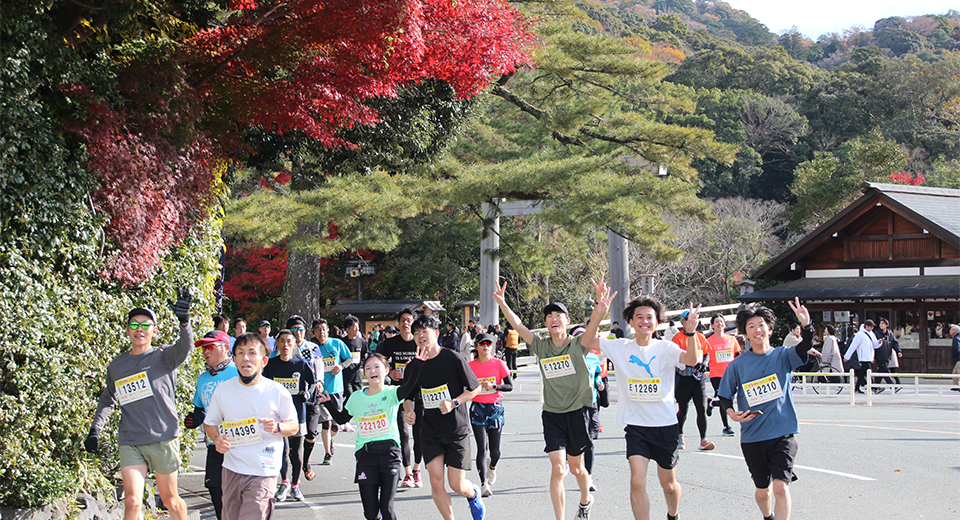
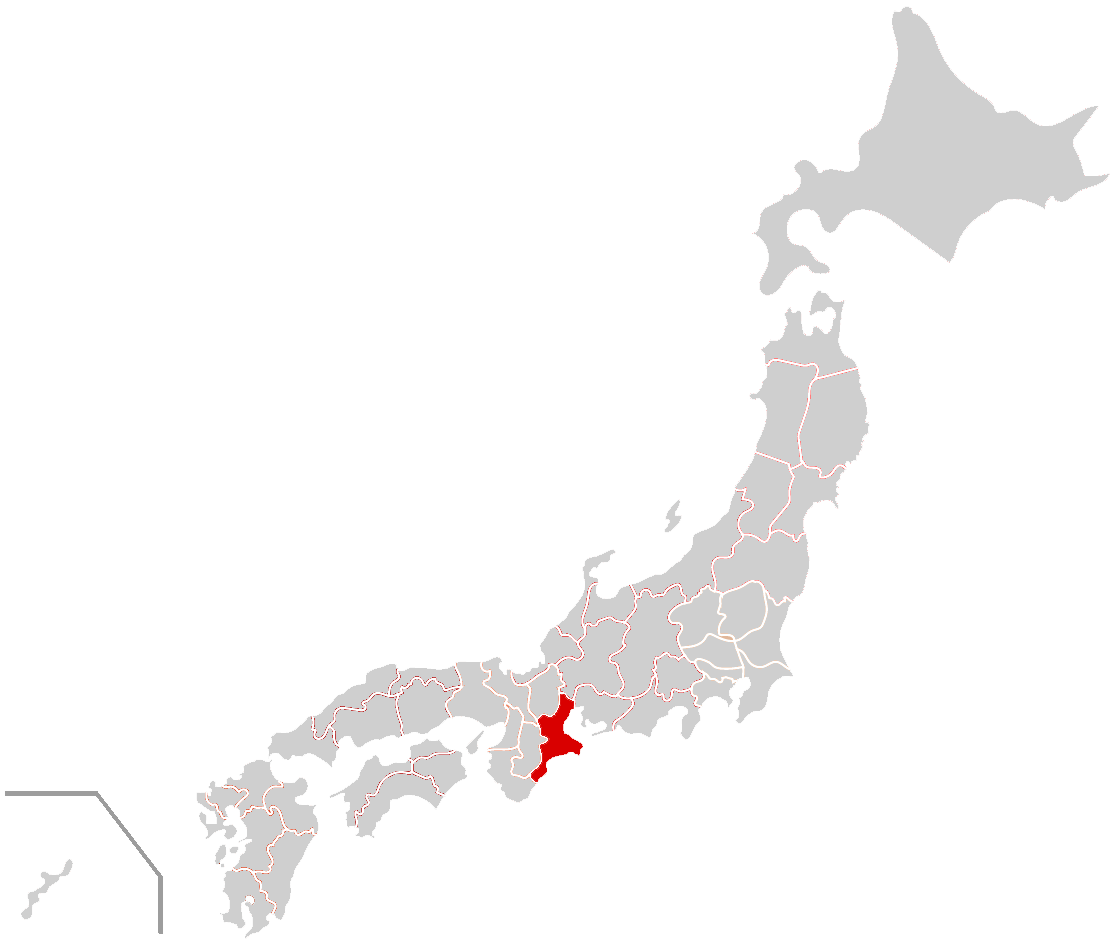
A Course Visiting Cultural Landmarks like the Majestic Ise Jingu
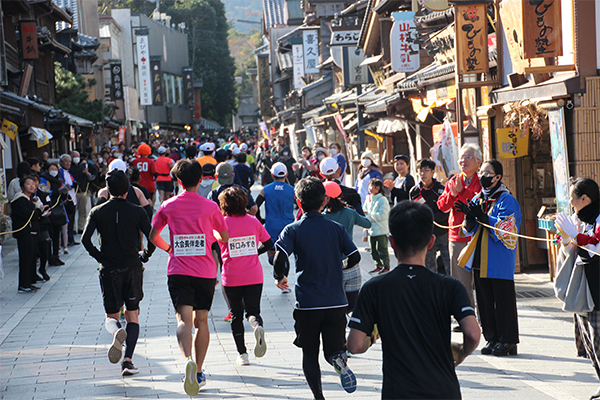
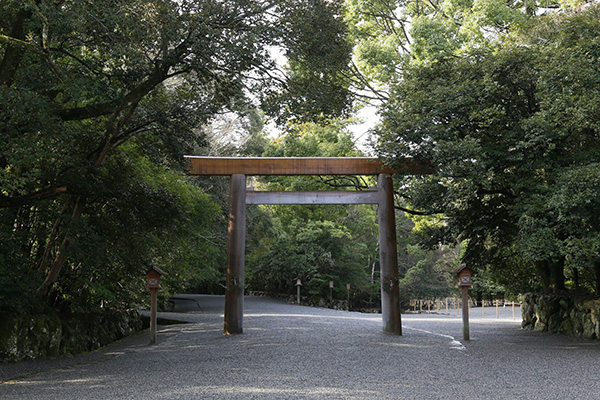
The Ise-san Half Marathon course passes through historic and cultural landmarks such as the front of Ise Jingu (Inner Shrine), Oharai-machi, and the Mizuki Noguchi Gold Medal Road. These sites symbolize Japan’s traditions and spirituality, offering a rare opportunity to run while immersing yourself in Japanese culture. Ise Jingu, in particular, is a sacred shrine representing Japan and is renowned as an international tourist destination.
Stunning Views from the "Ise-Futami-Toba Line"
In the running division, participants can run on the "Ise-Futami-Toba Line," a route typically reserved for vehicles. This scenic course allows runners to enjoy the sea and natural landscapes of late autumn in Ise.
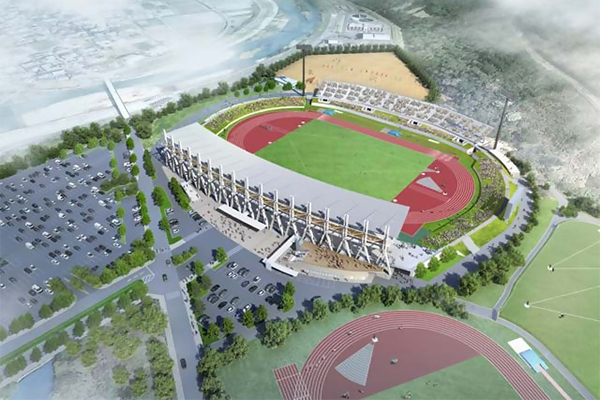
Additionally, for the first time, a segment of the race will pass through an athletic stadium, where runners can see themselves on a large screen as they pass by—an exciting highlight of the race!
Enjoy Ise’s Local Delicacies!
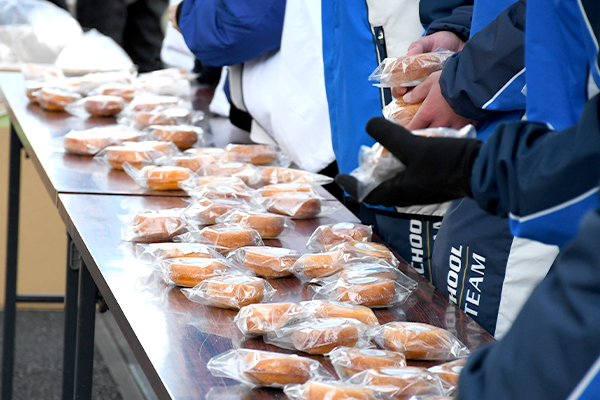
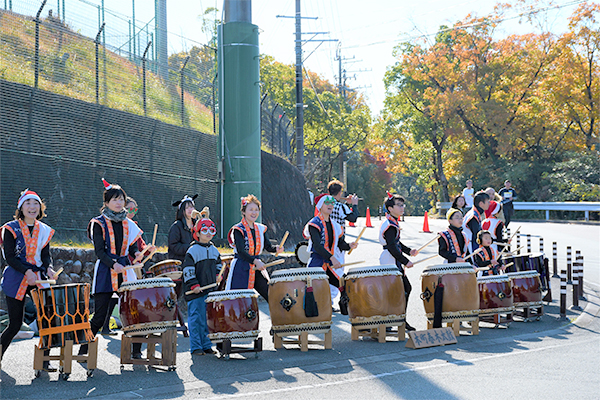
Along the race route, runners will be cheered on by lively taiko drum performances and supportive volunteers, creating a heartwarming atmosphere. At the event venue, runners can also enjoy the Ise-Shima Specialty Fair and product sampling booths showcasing local food and goods. Additionally, aid stations and post-race services offer treats like donuts and rusks, allowing you to savor Ise’s distinctive flavors.
Warm Hospitality Unique to Ise
Along the race route, runners will be cheered on by lively taiko drum performances and supportive volunteers, creating a heartwarming atmosphere. At the venue, enjoy the Ise-Shima product exhibition featuring local foods and sampling booths.
Free shuttle buses are available from the venue to major tourist spots like Ise Jingu’s Inner Shrine and Oharai-machi, so you can fully enjoy Ise’s sightseeing after the race.
Why Ise City?
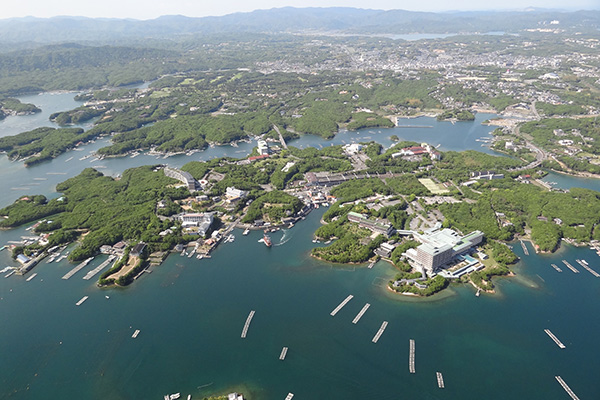
The City of Ise has developed as the town of the Ise Jingu since feudal days and is today a tourist center of Ise-Shima National Park
Pre- or Post-race Excursion
Ise City Sightseeing Spots
1. The Ise Jingu
The Jingu, popularly known as the Ise Jingu, is the generic name for a group of shrines, consisting of the Naiku, or Inner Shrine (officially named Kotai Jingu), the Geku, or Outer Shrine (officially named Toyouke Dai Jingu), and some 123 minor shrines associated with the two major shrines. The Naiku and the Geku lie 5km (3mi) apart.
Inner Shrine, or Naiku, is consecrated to the Great Sun Goddess, Amaterasu, legendary foundress of the Imperial Family, and the other Sinto deities of the supreme rank, the Ise Jingu are unique among Shinto shrines. Outer Shrine, or Geku, is consecrated to the Toyouke Daijingu, the Goddess of food, agriculture and industry. It is recommended to start at the Outer Shrine and continue to the Inner Shrine. Here is the brief comparison of these two shrines;
2. Oharai-machi, Okage Yokocho
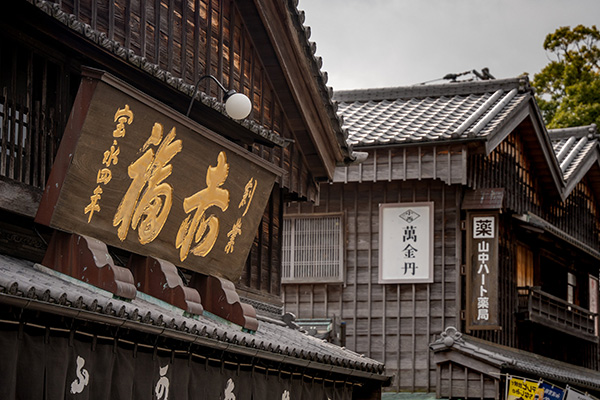
Oharai-machi is a traditional town near Ise Jingu Naiku, known for its Edo-period style streets and historic atmosphere. Within the area, Okage Yokocho offers local foods, traditional crafts, and cultural experiences. Visitors can enjoy famous specialties such as Ise udon and Akafuku mochi while strolling through the pedestrian-friendly streets.
3. Futami Town
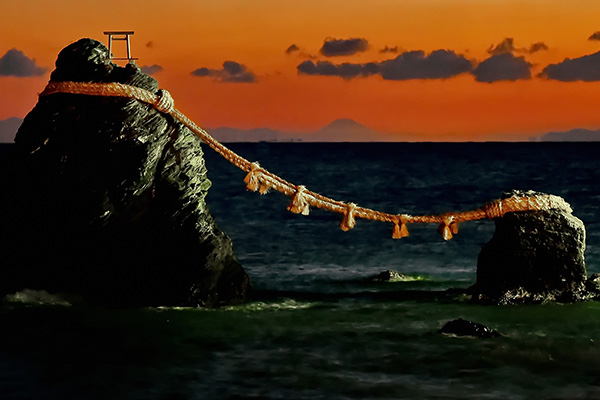
Futami is celebrated for the admirable view of its rocky seashore in general and for a pair of rocks known as the Wedded Rocks in particular.The Wedded Rocks are regarded as sacred rocks that belong to a Shinto shrine called Okitama Shrine. They reflect the traditional idea of nature worship in Shinto.
4. Toba City
Toba City is internationally known as the native town of Mikimoto Kokichi (1858-1954), who succeeded in culturing pearls.
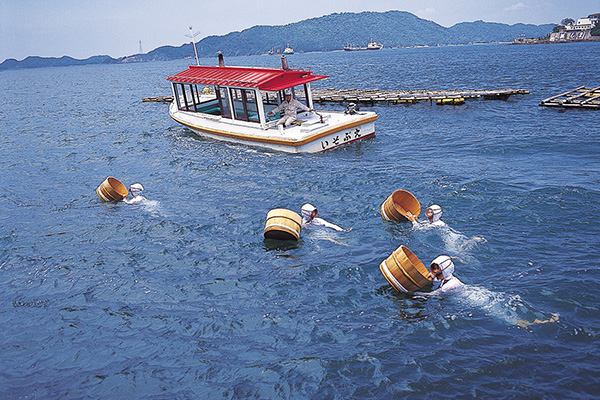
Another highlight is the ama culture. Ama diving dates back more than 2,000 years and is still very much alive in this area. Many tourists are visiting Toba city, with ama huts and ama clothes. Tourists can enjoy local fresh seafood while talking with genuine ama divers.
Sightseeing Spots nearby Ise City
1. Iga City
Iga Ueno Castle
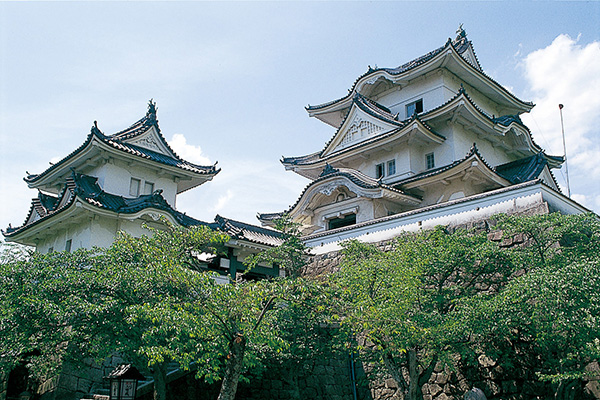
Iga Ueno Castle is a picturesque Japanese castle with impressive stone walls and exhibits that explain the samurai culture of the region.
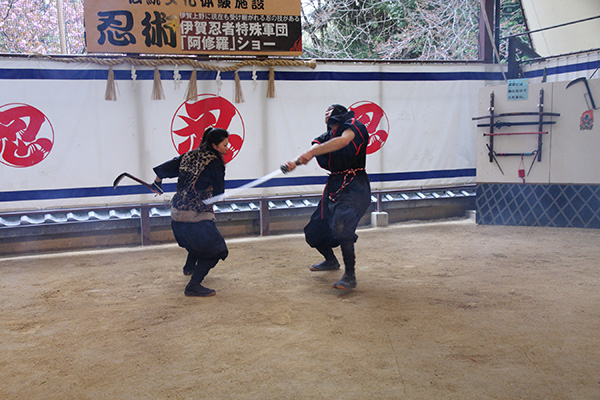
Iga Ninja Museum
The Iga Ninja Museum offers an interactive look at real ninja history, showing how they lived, trained, and used clever techniques for survival and espionage.
2. Kumano Kodo
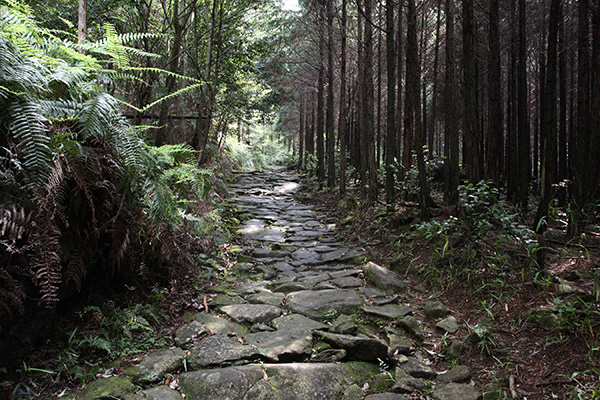
The Kumano Kodo is a thousand year old pilgrimage network that winds through the mountains of the Kii Peninsula in southern Japan. It was designated a UNESCO World Heritage Site in 2004, and is one of only two pilgrimage routes in the world with this status—the other is Spain’s Camino de Santiago.
Along the way, visitors can enjoy onsen towns like Yunomine and Kawayu, where natural hot springs have soothed pilgrims for centuries.
3. Koya-san
Koyasan is the spiritual center of Shingon Buddhism, founded in 816 by the monk Kobo Daishi (Kukai). It sits in a high mountain basin in Wakayama Prefecture and is home to over 100 temples, many of which are still active monasteries. The entire area is part of the UNESCO World Heritage Site “Sacred Sites and Pilgrimage Routes in the Kii Mountain Range.”
One of the most unique experiences is staying overnight in a shukubo (temple lodging), where visitors sleep in traditional tatami rooms, eat shojin ryori (Buddhist vegetarian cuisine), and join monks for morning prayers. This offers a rare chance to experience living Buddhist culture.
Gourmet Information
Ise City and its neighbors offer traditional Japanese comfort food, famous sweets, and fresh seafood. Many dishes are simple, warm, and connected to the culture of Ise Jingu.
1. Akafuku Mochi
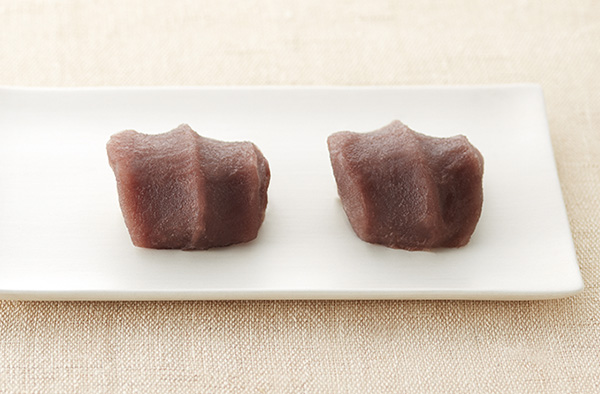
Akafuku Mochi is a famous traditional sweet from Ise, made of soft mochi covered with smooth red bean paste. Inspired by the Isuzu River, it has long been associated with visits to Ise Jingu. Today, visitors can enjoy freshly made Akafuku at traditional tea houses in Oharaimachi and Okage Yokocho.
2. Ise Udon
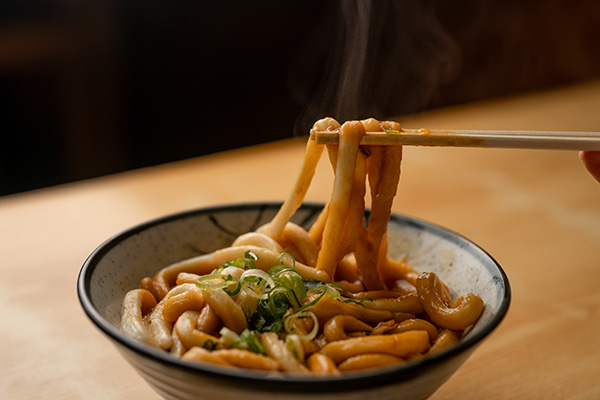
Ise Udon is a local noodle dish with very soft, thick noodles served in a small amount of rich soy-based sauce. Simple, comforting, and unique to Ise.
3. Ise Spiny Lobster
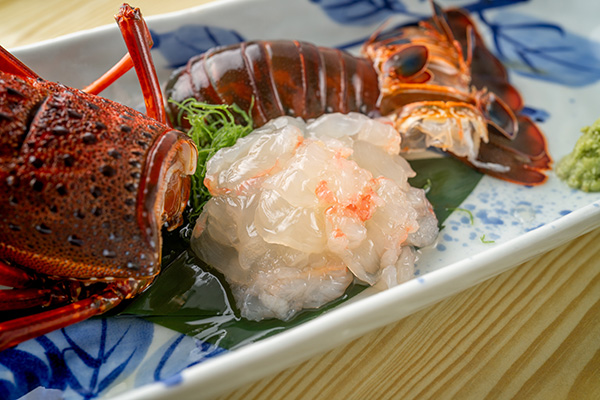
Ise Spiny Lobster (called Ise-ebi in Japanese) is one of Japan’s most prized seafood delicacies. It is not a typical lobster—its shell is spiny, and its meat is exceptionally sweet, firm, and flavorful.
4. Matsusaka Beef
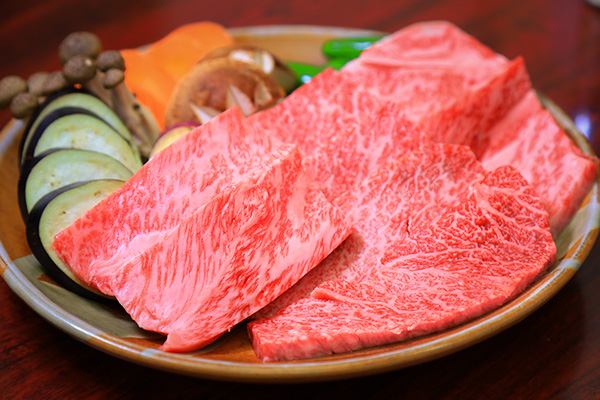
- Matsusaka Beef (Matsusaka Wagyu) is a premium Japanese beef from Mie Prefecture, known for having some of the finest marbling of any beef in Japan. It is produced from Japanese Black cattle, often female cows that are raised with exceptional care.
It's a very exciting race event. We are very much looking forward to seeing you at the race venue.
写真出典元: 公益社団法人伊勢志摩観光コンベンション機構 他