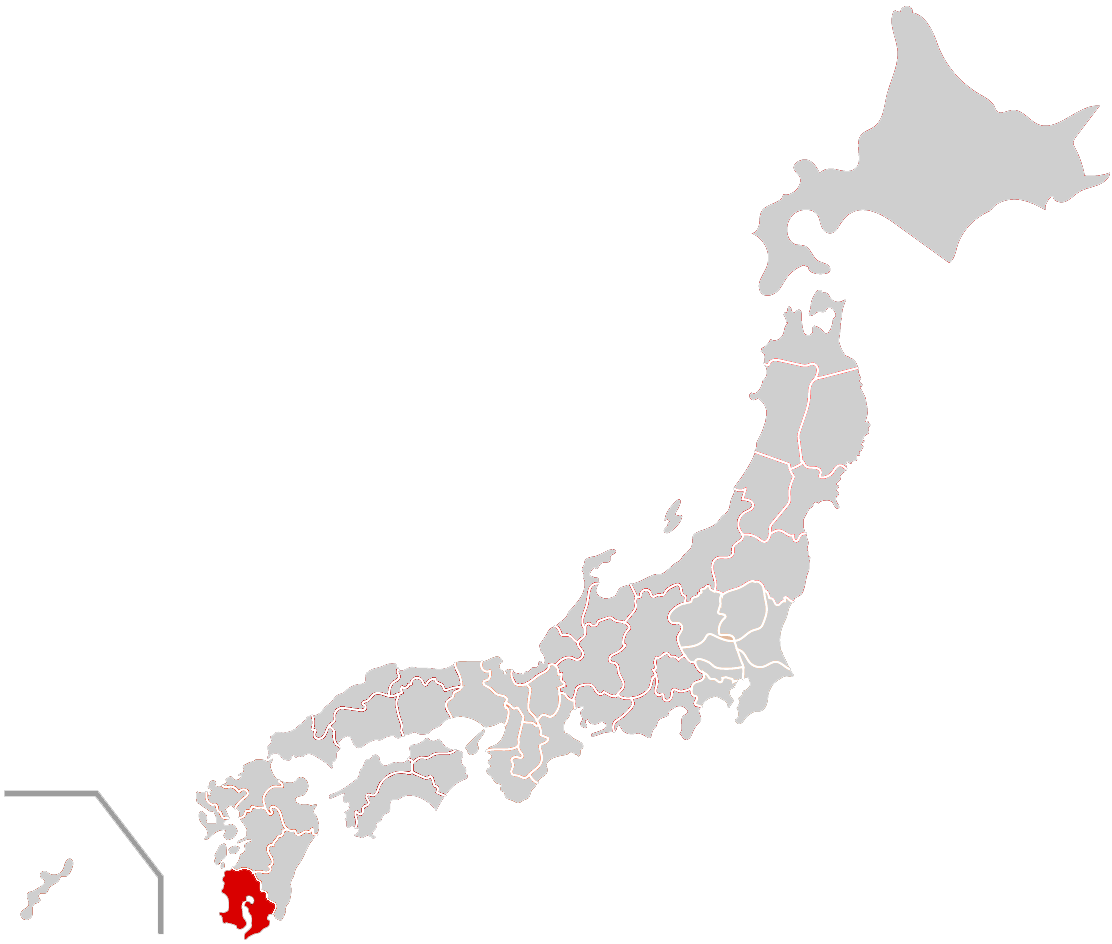
Experience Kagoshima Marathon through history, Sakurajima, Kinko Bay, and local flavors! Experience Kagoshima Marathon through history, Sakurajima, Kinko Bay, and local flavors! Experience Kagoshima Marathon through history, Sakurajima, Kinko Bay, and local flavors!

Kagoshima Marathon 2027

Kagoshima Marathon 2027

Kagoshima Marathon 2027

Event Features 活动特色 活動特色。

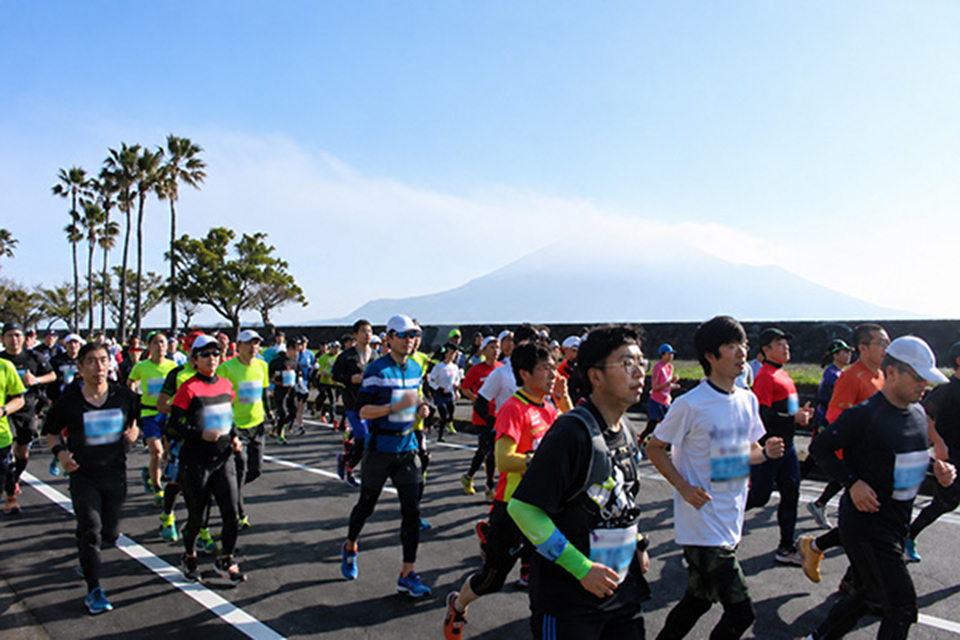
The magnificent course where you can enjoy nature and history.

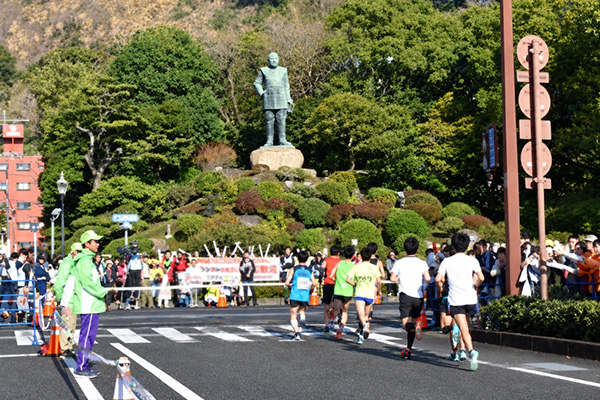
The first part of the course runs through the city center, where you can feel the history of Satsuma (ancient name of Kagoshima)from the Edo period to the Meiji era (1603 – early 20th century), including Tenmonkan, the most bustling district in southern Kyushu, the statue of Saigo Takamori, one of Japan’s best-known and most admired historical figures, who played a major role in shaping modern Japan during the Meiji Restoration, Goryomon Gate, the Foreigner's House, and Sengan-en Garden.

From around the 13km mark, the course follows the coastline, offering stunning views of the tranquil Kinko Bay and the majestic Sakurajima volcano, among other dynamic natural landscapes. As this is a loop course, one of the highlights is the opportunity to see top athletes in action and cross paths with fellow runners of varying abilities.

Kagoshima-style enthusiastic cheering!

Many runners are moved by the city's enthusiastic cheering.

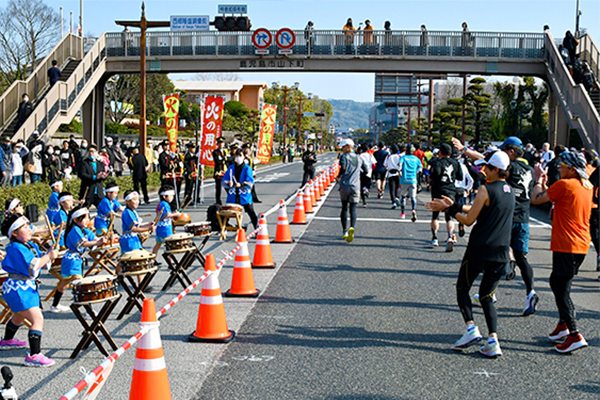
In addition to the cheers from volunteers and people along the roadside, there are also entertaining cheers at each point, such as dancing and drumming.

Even from the JR trains running alongside, horns are sounded, and from the sea, ferries, boats, and SUPs also send cheers—there are plenty of people cheering from unexpected places.
Encouraging messages are included on the distance markers, and even after finishing, runners are greeted with applause when collecting their belongings... Every time they are cheered on, they feel a surge of energy.
So Much to Enjoy at the Aid Stations! Kagoshima’s Local Delicacies

Waiting for you at the aid stations is a delicious selection of Kagoshima’s local specialties!

Based on offerings from previous races, runners have enjoyed a variety of treats, including Nankaido’s kurobō brown sugar sticks and baked doughnuts, ohagi rice cakes, tankan citrus, strawberries, takuan pickles, satsuma-age fried fish cakes, soba noodles, local pork, Kajiki manju buns, and even frozen mangoes.

As you run, you’ll find yourself wondering, “What delicious treat will be waiting for me at the next aid station?”

At the “Omotenashi Square” set up in Central Park, you can also explore booths featuring Kagoshima’s local cuisine and specialty products.

Kagoshima: Where Japan’s Modernization Began

Kagoshima played a pivotal role in Japan’s transition from the feudal era to the modern nation. Under Shimazu Nariakira, the Satsuma Domain actively introduced Western technologies and promoted industrial and educational reform. The region also produced influential figures such as Saigo Takamori and Okubo Toshimichi, who played key roles in the Meiji Restoration.


Pre- or Post-race Excursion


Kagoshima Sightseeing Spots


1. Sengan-en: A Historic Garden Estate in Kagoshima

Sengan-en is a traditional Japanese garden and villa built in 1658 by Shimazu Mitsuhisa, the 19th head of the powerful Shimazu clan. Located in Kagoshima City. The garden makes beautiful use of Sakurajima and Kinko Bay as part of its scenery, following the traditional Japanese concept of “borrowed scenery .”

Easy access: 20 minutes by car from Kagoshima-Chuo Station / near JR Sengan-en Station

It is designated as a National Place of Scenic Beauty and forms part of the UNESCO World Cultural Heritage Site “Sites of Japan’s Meiji Industrial Revolution.”
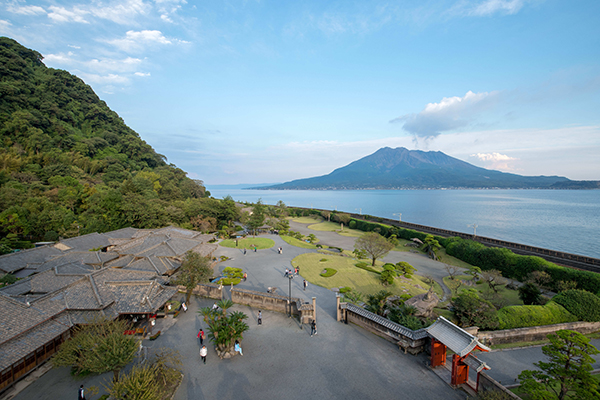
© K.P.V.B

2. Shiroyama Park- Scenic Views and Samurai History

Shiroyama Park is a lush hilltop park located in central Kagoshima City, rising 107 meters (351 feet) above sea level. It offers panoramic views of Sakurajima volcano, Kinko Bay, and the cityscape, making it one of the most popular scenic spots in the region.

The park is also steeped in history—it was the final battleground of the Satsuma Rebellion (1877) and the place where Saigo Takamori, one of Japan’s most revered samurai, spent his last days.
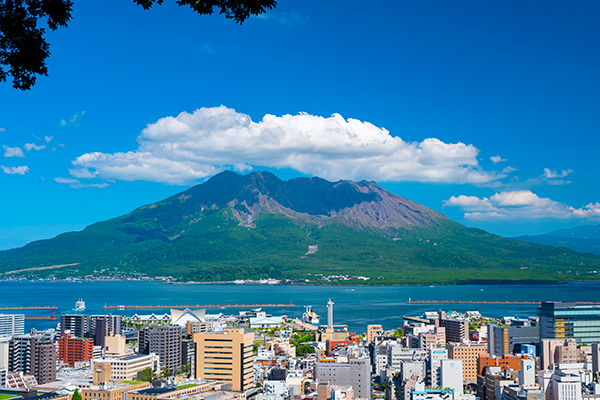
© 鹿児島観光コンベンション協会

3. Sakurajima Visitor Center

Sakurajima is one of Japan’s most iconic active volcanoes, located in Kinko Bay just across from downtown Kagoshima. Once a true island, it became connected to the Osumi Peninsula after a massive eruption in 1914, forming a dramatic peninsula that continues to shape the region’s landscape and identity.

Located just a 10-minute walk from Sakurajima Ferry Terminal, the Sakurajima Visitor Center is the perfect starting point for exploring the island. This volcano-themed mini-museum offers engaging exhibits, hands-on experiences, and local insights into one of Japan’s most active volcanoes.
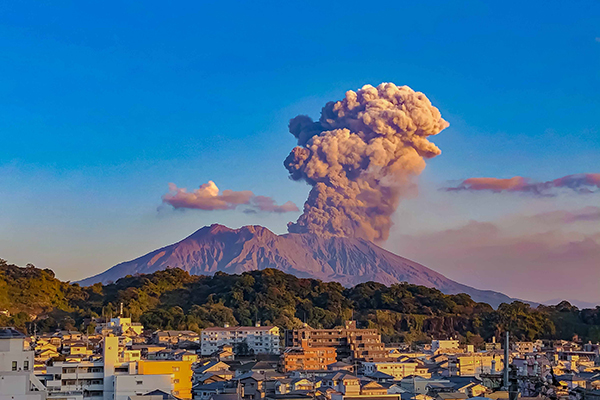
©ken.n.miffy.752

4. Ibusuki:Natural Sand Bath Experience by the Sea

Ibusuki, about 70 minutes from Kagoshima-Chuo station by train, is famous for a sand bath facility, where visitors are buried in naturally heated sand along the beach. The geothermal steam warms the sand to around 50°C (122°F), creating a deeply relaxing and detoxifying experience.

Just 10–15 minutes in the sand stimulates intense perspiration—3 to 4 times more than a regular hot spring bath, promoting circulation, relieving fatigue, and leaving your skin glowing.
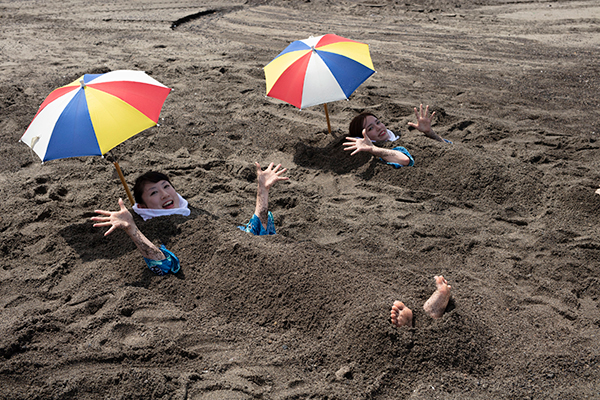
写真提供:指宿市観光課
 

Gourmet Information


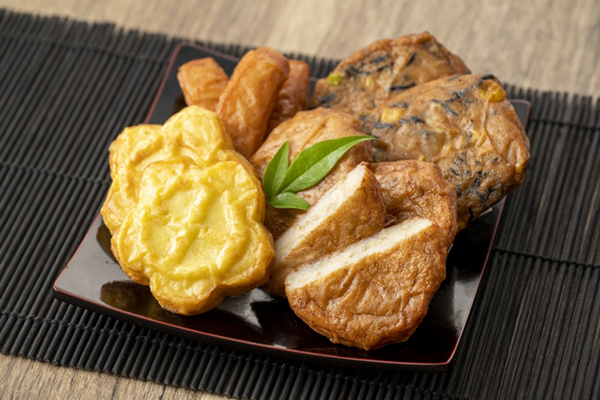
1. Satsuma Age

Kagoshima's specialty, satsuma-age, is a local dish characterized by its sweetness and umami flavor, made by adding local sake and sugar to ground fish and then deep-frying it. Locally known as tsukeage, it is also popular as a gift or souvenir.
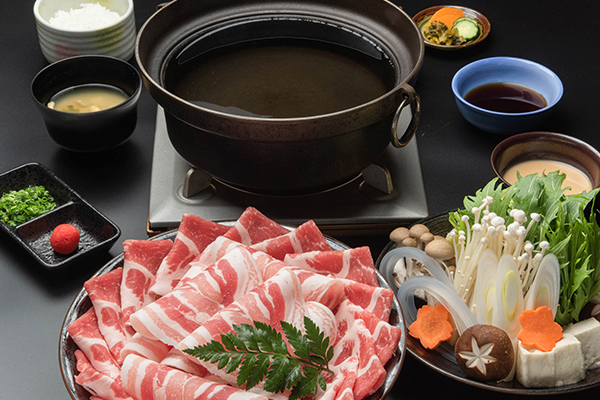
2. Kagoshima Black Pork Shabu-Shabu

A Signature Hot Pot Experience from Southern Japan Kagoshima’s famous Kurobuta (black pork) comes from a heritage breed known for its fine texture and naturally sweet, rich flavor. In this dish, thin slices of pork are gently swished in a simmering broth—usually made from kelp or soba soup stock—then dipped in sauces such as ponzu (citrus soy) or sesame.
©鹿児島県

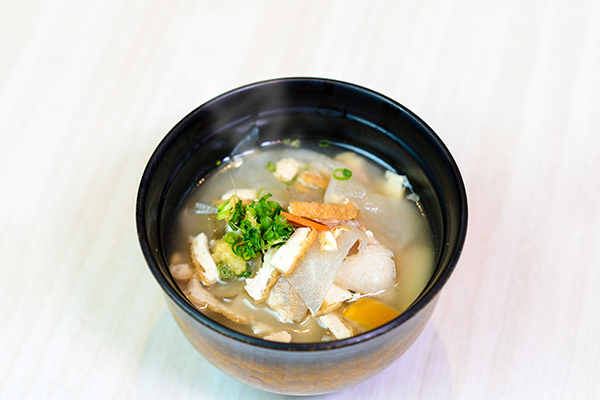
3. Satsuma-jiru – Kagoshima’s Hearty Chicken Miso Soup

Satsuma-jiru is a traditional miso-based soup from Kagoshima Prefecture, known for its rich flavor and generous use of seasonal vegetables. Unlike tonjiru (pork miso soup), Satsuma-jiru uses chicken as its main protein, creating a lighter yet deeply savory broth.
© K.P.V.B

4. Kagoshima Shochu – The Spirit of Southern Japan

Kagoshima Prefecture is Japan’s leading producer of shochu, a traditional distilled spirit. Known especially for its Satsuma Shochu, Kagoshima offers a rich variety of flavors rooted in local ingredients, volcanic soil, and centuries of craftsmanship.

The magnificent course where you can enjoy nature and history.

The first part of the course runs through the city center, where you can feel the history of Satsuma (ancient name of Kagoshima)from the Edo period to the Meiji era (1603 – early 20th century), including Tenmonkan, the most bustling district in southern Kyushu, the statue of Saigo Takamori, one of Japan’s best-known and most admired historical figures, who played a major role in shaping modern Japan during the Meiji Restoration, Goryomon Gate, the Foreigner's House, and Sengan-en Garden.

From around the 13km mark, the course follows the coastline, offering stunning views of the tranquil Kinko Bay and the majestic Sakurajima volcano, among other dynamic natural landscapes. As this is a loop course, one of the highlights is the opportunity to see top athletes in action and cross paths with fellow runners of varying abilities.

Kagoshima-style enthusiastic cheering!

Many runners are moved by the city's enthusiastic cheering.

In addition to the cheers from volunteers and people along the roadside, there are also entertaining cheers at each point, such as dancing and drumming.

Even from the JR trains running alongside, horns are sounded, and from the sea, ferries, boats, and SUPs also send cheers—there are plenty of people cheering from unexpected places.
Encouraging messages are included on the distance markers, and even after finishing, runners are greeted with applause when collecting their belongings... Every time they are cheered on, they feel a surge of energy.

So Much to Enjoy at the Aid Stations! Kagoshima’s Local Delicacies

Waiting for you at the aid stations is a delicious selection of Kagoshima’s local specialties!

Based on offerings from previous races, runners have enjoyed a variety of treats, including Nankaido’s kurobō brown sugar sticks and baked doughnuts, ohagi rice cakes, tankan citrus, strawberries, takuan pickles, satsuma-age fried fish cakes, soba noodles, local pork, Kajiki manju buns, and even frozen mangoes.

As you run, you’ll find yourself wondering, “What delicious treat will be waiting for me at the next aid station?”

At the “Omotenashi Square” set up in Central Park, you can also explore booths featuring Kagoshima’s local cuisine and specialty products.

Kagoshima: Where Japan’s Modernization Began

Kagoshima played a pivotal role in Japan’s transition from the feudal era to the modern nation. Under Shimazu Nariakira, the Satsuma Domain actively introduced Western technologies and promoted industrial and educational reform. The region also produced influential figures such as Saigo Takamori and Okubo Toshimichi, who played key roles in the Meiji Restoration.


Pre- or Post-race Excursion


Kagoshima Sightseeing Spots


1. Sengan-en: A Historic Garden Estate in Kagoshima

Sengan-en is a traditional Japanese garden and villa built in 1658 by Shimazu Mitsuhisa, the 19th head of the powerful Shimazu clan. Located in Kagoshima City. The garden makes beautiful use of Sakurajima and Kinko Bay as part of its scenery, following the traditional Japanese concept of “borrowed scenery .”

Easy access: 20 minutes by car from Kagoshima-Chuo Station / near JR Sengan-en Station

It is designated as a National Place of Scenic Beauty and forms part of the UNESCO World Cultural Heritage Site “Sites of Japan’s Meiji Industrial Revolution.”

© K.P.V.B

2. Shiroyama Park- Scenic Views and Samurai History

Shiroyama Park is a lush hilltop park located in central Kagoshima City, rising 107 meters (351 feet) above sea level. It offers panoramic views of Sakurajima volcano, Kinko Bay, and the cityscape, making it one of the most popular scenic spots in the region.

The park is also steeped in history—it was the final battleground of the Satsuma Rebellion (1877) and the place where Saigo Takamori, one of Japan’s most revered samurai, spent his last days.

© 鹿児島観光コンベンション協会

3. Sakurajima Visitor Center

Sakurajima is one of Japan’s most iconic active volcanoes, located in Kinko Bay just across from downtown Kagoshima. Once a true island, it became connected to the Osumi Peninsula after a massive eruption in 1914, forming a dramatic peninsula that continues to shape the region’s landscape and identity.

Located just a 10-minute walk from Sakurajima Ferry Terminal, the Sakurajima Visitor Center is the perfect starting point for exploring the island. This volcano-themed mini-museum offers engaging exhibits, hands-on experiences, and local insights into one of Japan’s most active volcanoes.

©ken.n.miffy.752

4. Ibusuki:Natural Sand Bath Experience by the Sea

Ibusuki, about 70 minutes from Kagoshima-Chuo station by train, is famous for a sand bath facility, where visitors are buried in naturally heated sand along the beach. The geothermal steam warms the sand to around 50°C (122°F), creating a deeply relaxing and detoxifying experience.

Just 10–15 minutes in the sand stimulates intense perspiration—3 to 4 times more than a regular hot spring bath, promoting circulation, relieving fatigue, and leaving your skin glowing.

写真提供:指宿市観光課
 

Gourmet Information


1. Satsuma Age

Kagoshima's specialty, satsuma-age, is a local dish characterized by its sweetness and umami flavor, made by adding local sake and sugar to ground fish and then deep-frying it. Locally known as tsukeage, it is also popular as a gift or souvenir.

2. Kagoshima Black Pork Shabu-Shabu

A Signature Hot Pot Experience from Southern Japan Kagoshima’s famous Kurobuta (black pork) comes from a heritage breed known for its fine texture and naturally sweet, rich flavor. In this dish, thin slices of pork are gently swished in a simmering broth—usually made from kelp or soba soup stock—then dipped in sauces such as ponzu (citrus soy) or sesame.

©鹿児島県

3. Satsuma-jiru – Kagoshima’s Hearty Chicken Miso Soup

Satsuma-jiru is a traditional miso-based soup from Kagoshima Prefecture, known for its rich flavor and generous use of seasonal vegetables. Unlike tonjiru (pork miso soup), Satsuma-jiru uses chicken as its main protein, creating a lighter yet deeply savory broth.

© K.P.V.B

4. Kagoshima Shochu – The Spirit of Southern Japan

Kagoshima Prefecture is Japan’s leading producer of shochu, a traditional distilled spirit. Known especially for its Satsuma Shochu, Kagoshima offers a rich variety of flavors rooted in local ingredients, volcanic soil, and centuries of craftsmanship.

The magnificent course where you can enjoy nature and history.

The first part of the course runs through the city center, where you can feel the history of Satsuma (ancient name of Kagoshima)from the Edo period to the Meiji era (1603 – early 20th century), including Tenmonkan, the most bustling district in southern Kyushu, the statue of Saigo Takamori, one of Japan’s best-known and most admired historical figures, who played a major role in shaping modern Japan during the Meiji Restoration, Goryomon Gate, the Foreigner's House, and Sengan-en Garden.

From around the 13km mark, the course follows the coastline, offering stunning views of the tranquil Kinko Bay and the majestic Sakurajima volcano, among other dynamic natural landscapes. As this is a loop course, one of the highlights is the opportunity to see top athletes in action and cross paths with fellow runners of varying abilities.

Kagoshima-style enthusiastic cheering!

Many runners are moved by the city's enthusiastic cheering.

In addition to the cheers from volunteers and people along the roadside, there are also entertaining cheers at each point, such as dancing and drumming.

Even from the JR trains running alongside, horns are sounded, and from the sea, ferries, boats, and SUPs also send cheers—there are plenty of people cheering from unexpected places.
Encouraging messages are included on the distance markers, and even after finishing, runners are greeted with applause when collecting their belongings... Every time they are cheered on, they feel a surge of energy.

So Much to Enjoy at the Aid Stations! Kagoshima’s Local Delicacies

Waiting for you at the aid stations is a delicious selection of Kagoshima’s local specialties!

Based on offerings from previous races, runners have enjoyed a variety of treats, including Nankaido’s kurobō brown sugar sticks and baked doughnuts, ohagi rice cakes, tankan citrus, strawberries, takuan pickles, satsuma-age fried fish cakes, soba noodles, local pork, Kajiki manju buns, and even frozen mangoes.

As you run, you’ll find yourself wondering, “What delicious treat will be waiting for me at the next aid station?”

At the “Omotenashi Square” set up in Central Park, you can also explore booths featuring Kagoshima’s local cuisine and specialty products.

Kagoshima: Where Japan’s Modernization Began

Kagoshima played a pivotal role in Japan’s transition from the feudal era to the modern nation. Under Shimazu Nariakira, the Satsuma Domain actively introduced Western technologies and promoted industrial and educational reform. The region also produced influential figures such as Saigo Takamori and Okubo Toshimichi, who played key roles in the Meiji Restoration.


Pre- or Post-race Excursion


Kagoshima Sightseeing Spots


1. Sengan-en: A Historic Garden Estate in Kagoshima

Sengan-en is a traditional Japanese garden and villa built in 1658 by Shimazu Mitsuhisa, the 19th head of the powerful Shimazu clan. Located in Kagoshima City. The garden makes beautiful use of Sakurajima and Kinko Bay as part of its scenery, following the traditional Japanese concept of “borrowed scenery .”

Easy access: 20 minutes by car from Kagoshima-Chuo Station / near JR Sengan-en Station

It is designated as a National Place of Scenic Beauty and forms part of the UNESCO World Cultural Heritage Site “Sites of Japan’s Meiji Industrial Revolution.”

© K.P.V.B

2. Shiroyama Park- Scenic Views and Samurai History

Shiroyama Park is a lush hilltop park located in central Kagoshima City, rising 107 meters (351 feet) above sea level. It offers panoramic views of Sakurajima volcano, Kinko Bay, and the cityscape, making it one of the most popular scenic spots in the region.

The park is also steeped in history—it was the final battleground of the Satsuma Rebellion (1877) and the place where Saigo Takamori, one of Japan’s most revered samurai, spent his last days.

© 鹿児島観光コンベンション協会

3. Sakurajima Visitor Center

Sakurajima is one of Japan’s most iconic active volcanoes, located in Kinko Bay just across from downtown Kagoshima. Once a true island, it became connected to the Osumi Peninsula after a massive eruption in 1914, forming a dramatic peninsula that continues to shape the region’s landscape and identity.

Located just a 10-minute walk from Sakurajima Ferry Terminal, the Sakurajima Visitor Center is the perfect starting point for exploring the island. This volcano-themed mini-museum offers engaging exhibits, hands-on experiences, and local insights into one of Japan’s most active volcanoes.

©ken.n.miffy.752

4. Ibusuki:Natural Sand Bath Experience by the Sea

Ibusuki, about 70 minutes from Kagoshima-Chuo station by train, is famous for a sand bath facility, where visitors are buried in naturally heated sand along the beach. The geothermal steam warms the sand to around 50°C (122°F), creating a deeply relaxing and detoxifying experience.

Just 10–15 minutes in the sand stimulates intense perspiration—3 to 4 times more than a regular hot spring bath, promoting circulation, relieving fatigue, and leaving your skin glowing.

写真提供:指宿市観光課
 

Gourmet Information


1. Satsuma Age

Kagoshima's specialty, satsuma-age, is a local dish characterized by its sweetness and umami flavor, made by adding local sake and sugar to ground fish and then deep-frying it. Locally known as tsukeage, it is also popular as a gift or souvenir.

2. Kagoshima Black Pork Shabu-Shabu

A Signature Hot Pot Experience from Southern Japan Kagoshima’s famous Kurobuta (black pork) comes from a heritage breed known for its fine texture and naturally sweet, rich flavor. In this dish, thin slices of pork are gently swished in a simmering broth—usually made from kelp or soba soup stock—then dipped in sauces such as ponzu (citrus soy) or sesame.

©鹿児島県

3. Satsuma-jiru – Kagoshima’s Hearty Chicken Miso Soup

Satsuma-jiru is a traditional miso-based soup from Kagoshima Prefecture, known for its rich flavor and generous use of seasonal vegetables. Unlike tonjiru (pork miso soup), Satsuma-jiru uses chicken as its main protein, creating a lighter yet deeply savory broth.

© K.P.V.B

4. Kagoshima Shochu – The Spirit of Southern Japan

Kagoshima Prefecture is Japan’s leading producer of shochu, a traditional distilled spirit. Known especially for its Satsuma Shochu, Kagoshima offers a rich variety of flavors rooted in local ingredients, volcanic soil, and centuries of craftsmanship.

Event Summary 活动概述。 活動概述。

Race Name 种族名称 比賽名稱 Kagoshima Marathon 2027 Kagoshima Marathon 2027 Kagoshima Marathon 2027
Date 日期 日期。 March 7 2027 March 7 2027 March 7 2027
Location 地点 地點 Kagoshima City and Aira City (Kagoshima) Kagoshima City and Aira City (Kagoshima) Kagoshima City and Aira City (Kagoshima)
Race Categories 比赛类别 比賽類別 Marathon―42.195KM (certified)
Fun Run―8.9KM
Marathon―42.195KM (certified)
Fun Run―8.9KM
Marathon―42.195KM (certified)
Fun Run―8.9KM
Time Limit 时间限制 時間限制 42.195KM:Total of 7 hours with 9 cutoff points
8.9KM:Approximately 1 hour and 30 minutes with 1 cutoff point
42.195KM:Total of 7 hours with 9 cutoff points
8.9KM:Approximately 1 hour and 30 minutes with 1 cutoff point
42.195KM:Total of 7 hours with 9 cutoff points
8.9KM:Approximately 1 hour and 30 minutes with 1 cutoff point
Number of participants 参与人数 參與人數 42.195KM:10,000 participants
8.9KM:3,000 participants
42.195KM:10,000 participants
8.9KM:3,000 participants
42.195KM:10,000 participants
8.9KM:3,000 participants
Entry Period 报名时间 報名期間 August 7 2026 18:00 - October 31 2026 23:59 August 7 2026 18:00 - October 31 2026 23:59 August 7 2026 18:00 - October 31 2026 23:59
Web Site 网站 網站 https://www.kagoshima-marathon.jp/ https://www.kagoshima-marathon.jp/ https://www.kagoshima-marathon.jp/