
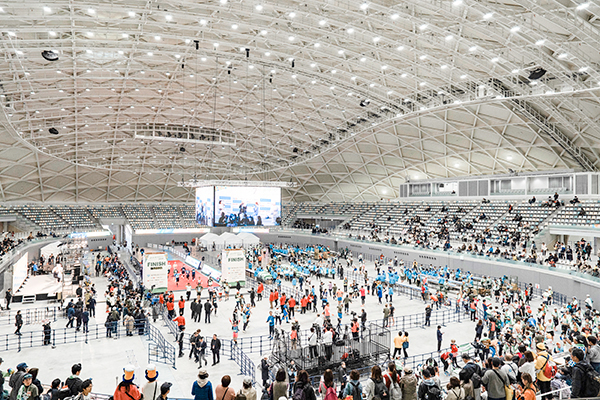
1. Running Through Downtown Takamatsu
The race begins amid beautiful scenery: on your left is the “Anabuki Arena Kagawa”, regarded as the most beautiful arena in the world, with the Sunport Takamatsu Symbol Tower beyond it, and on your right is the Seto Inland Sea and the islands dotting its waters.
Soon, you’ll see the row of camphor trees lining “Chuo-dori,” Takamatsu’s main thoroughfare. Enjoy the unique scenery that comes from Takamatsu’s downtown being so close to the sea as you run through the cheers of the crowd.

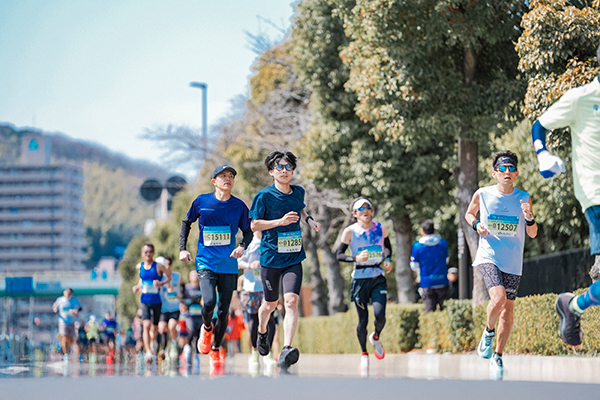
2. Beautiful view of gardens and islands
Enjoy views of historic gardens, tranquil rural hillsides, and the islands of the Seto Inland Sea.
In the city, the route passes through “Ritsurin Park,” a daimyo garden designated as a Special Place of Scenic Beauty. As you head into the suburbs, the scenery shifts to the tranquil landscapes typical of the Sanuki Plain, featuring mountain ranges shaped like rice balls and expansive reservoirs.
You can enjoy numerous captivating sights along the route, including “Yashima,” famous for the “Battle of Yashima” between the Genji and Taira clans; the “Ishikiyo Mountain Range,” where over 200 ancient burial mounds have been discovered; and “Megijima,” known for the Onigashima Great Cave.
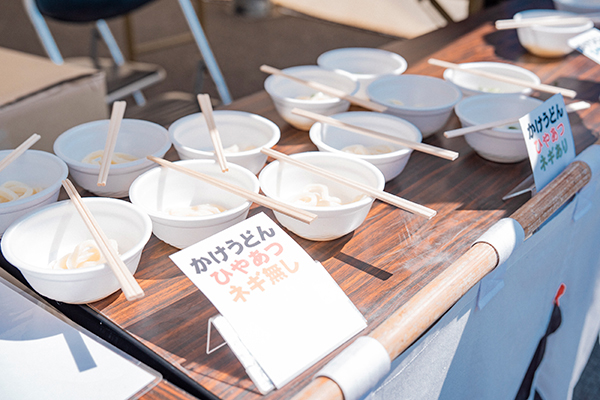
3. Good Hospitality
Authentic Kagawa-Style Udon and Warm Encouragement
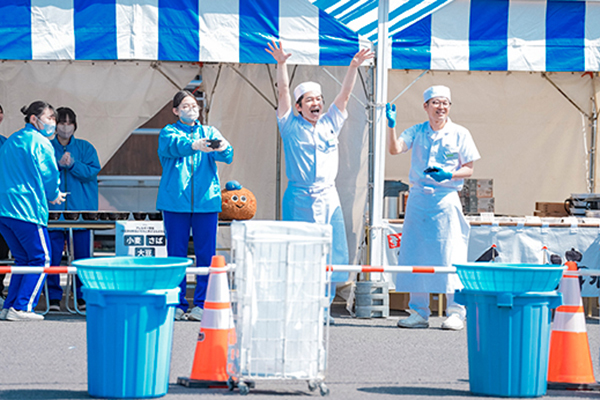
At the aid stations, participants can enjoy authentic Sanuki udon, and “udon broth” is provided to replenish salt and fluids. This hospitality, befitting Kagawa Prefecture—which ranks first nationwide in udon consumption—has been well-received by participants.
The courteous service provided by the volunteers and the large number of local residents lining the streets to offer warm encouragement are also noteworthy—perhaps reflecting the region’s deep-rooted culture of “osetsudai,” in which pilgrims are warmly welcomed.
Why Kagawa?
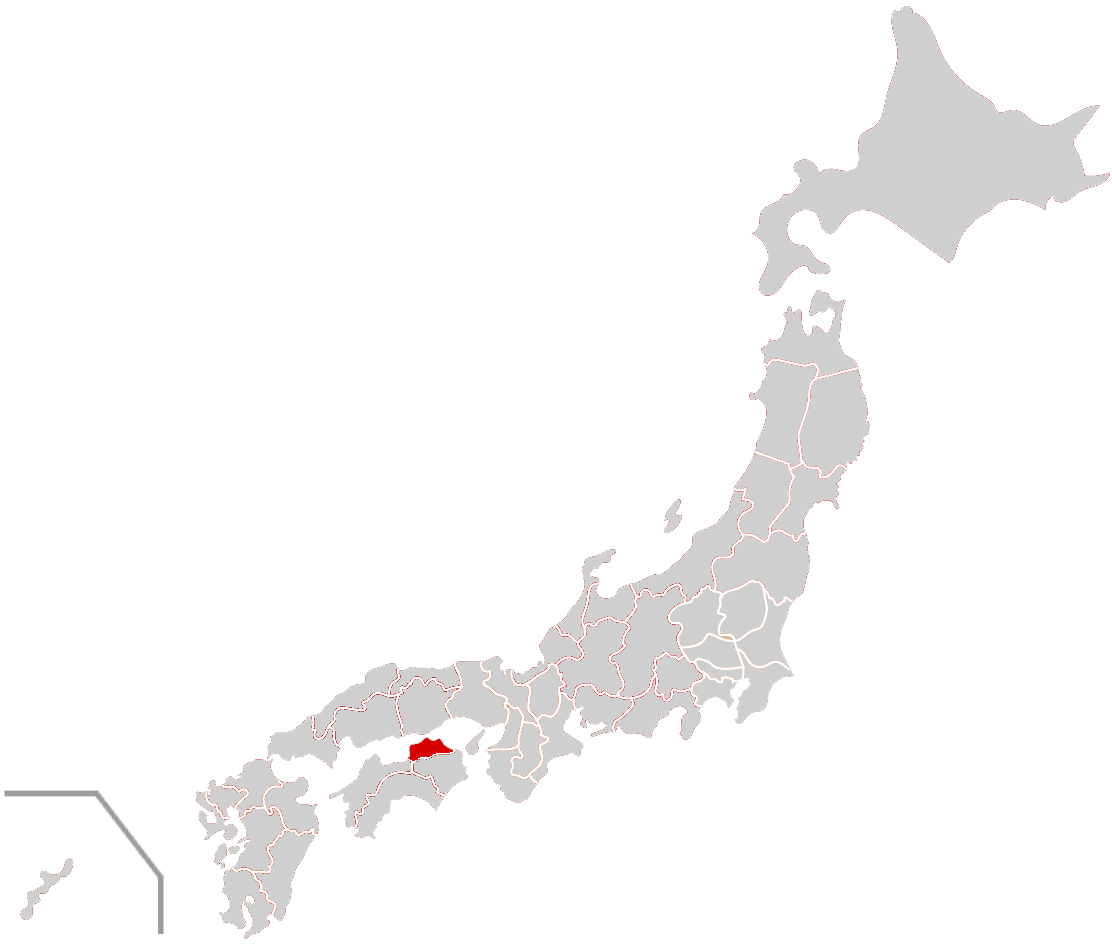
Takamatsu City, Kagawa Prefecture, is known as the gateway to Shikoku and the starting point for journeys to the beautiful islands of the Seto Inland Sea. Visitors can enjoy one of Japan’s finest traditional gardens, authentic Sanuki udon noodles, historic temples and shrines including the famous Kotohira-gu Shrine, and breathtaking coastlines that provide picture-perfect scenery. With so many attractions to discover, Takamatsu is a destination well worth exploring.
Pre- of Post-race Excursion
Takamatsu Sightseeing Spots
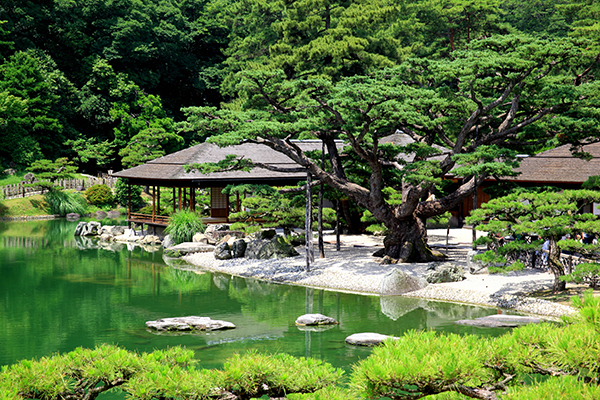
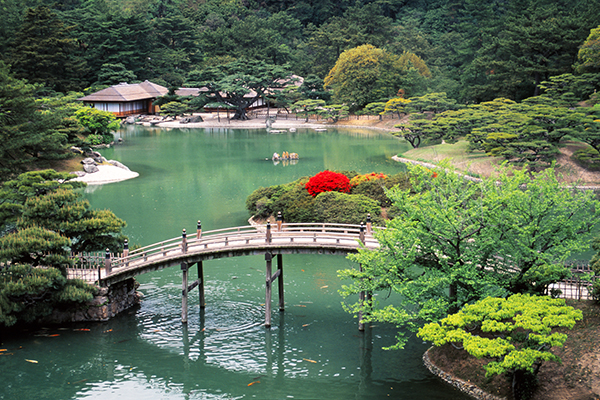
1. Ritsurin Park
Ritsurin Garden is one of Japan's finest traditional gardens. Located in Takamatsu City, it features beautiful ponds, pine trees, bridges, and teahouses set against the backdrop of Mt. Shiun.
Visitors can enjoy the beauty of Japanese garden design throughout all four seasons. It is a peaceful place where you can experience the harmony between nature and Japanese culture.
2. MT. Yashima
Yashima is a flat-topped mountain and one of the most famous scenic spots in Takamatsu, Kagawa Prefecture.Its name means "roof-shaped island" because it looks like the roof of a traditional Japanese house. Although it was once an island, it is now connected to the mainland.
Yashima is also known as the site of the historic Battle of Yashima, which took place in 1185 during the Genpei War between the Minamoto and Taira clans. This battle is one of the most famous events in Japanese samurai history.
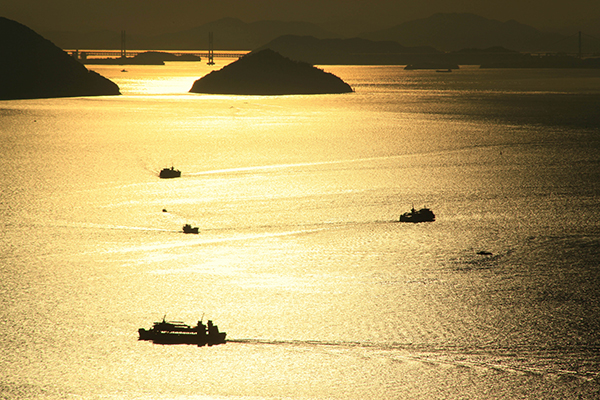
Today, visitors can enjoy spectacular panoramic views of the Seto Inland Sea, its many islands, and Takamatsu City. Yashima is also home to Yashima-ji Temple, the 84th temple on the Shikoku Pilgrimage route. It is a perfect place to experience Japan's natural beauty, history, and culture all in one location.
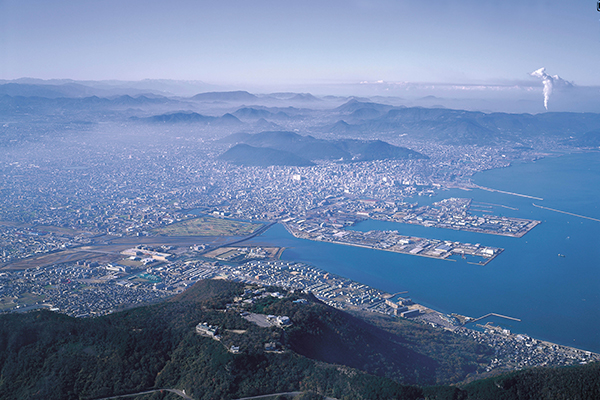
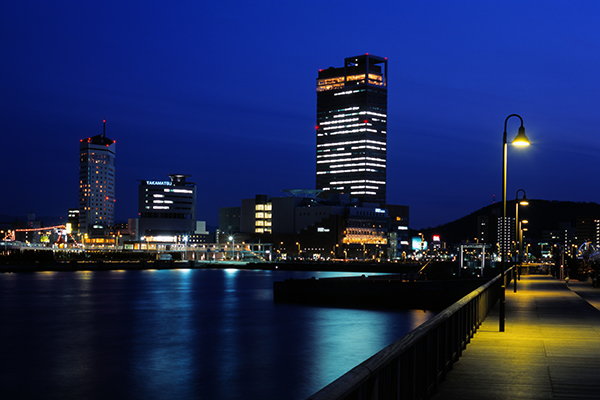
3. Sunport Takamatsu(Takamatsu Port Area)
Sunport Takamatsu is where the city meets the sea, offering the perfect starting point for exploring the beautiful islands of the Seto Inland Sea.
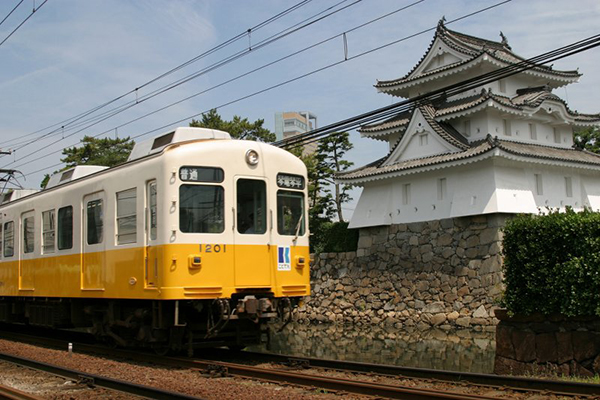
4. Tamamo Park(Ruins of Takamatsu Castle)
Tamamo Park is the site of Takamatsu Castle, one of Japan's few castles built directly along the seashore. Constructed in 1588 by Lord Ikoma Chikamasa, Takamatsu Castle was known as a "Mizushiro" or "Water Castle" because seawater from the Seto Inland Sea was drawn into its moats. This unique feature made the castle highly effective for both defense and maritime transportation.
Today, visitors can explore the castle grounds, walk along the historic stone walls, and enjoy beautiful views of the surrounding gardens and waterways. Although the original castle keep no longer exists, several historic structures and gates have been preserved or reconstructed.
Tamamo Park offers a fascinating glimpse into Japan's feudal history while showcasing the close relationship between Takamatsu and the Seto Inland Sea.
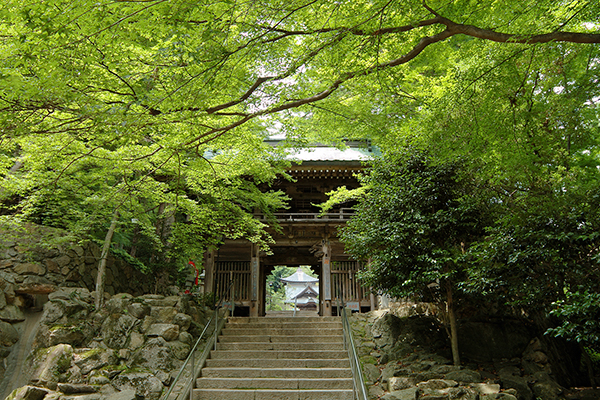
5. Okuboji Temple
Okuboji Temple is the 88th and final temple of the Shikoku Pilgrimage, a famous Buddhist pilgrimage (“Ohenro”) route that connects 88 sacred temples across Shikoku Island.
Located in the mountains of eastern Kagawa Prefecture, Okuboji represents the completion of a spiritual journey that has been followed by pilgrims for over 1,200 years. Many pilgrims visit the temple after traveling hundreds of kilometers around Shikoku, making it a place of great significance and accomplishment.
The temple is associated with Kobo Daishi (Kukai), the founder of Shingon Buddhism, and is known for its peaceful atmosphere and beautiful natural surroundings. Visitors can enjoy the changing scenery throughout the year, including fresh greenery in spring and colorful autumn leaves in fall.
For pilgrims, arriving at Okuboji marks the successful completion of an important spiritual journey. For other visitors, it offers a unique opportunity to experience Japanese Buddhism, tradition, and mountain scenery.
* (Note) Ohenro
A pilgrimage that visits 88 sacred temples around Shikoku Island. It is one of Japan's most important spiritual journeys and has been practiced for over 1,200 years.
Sightseeing Spots nearby Takamatsu City
1. Kotohira-gu Shrine
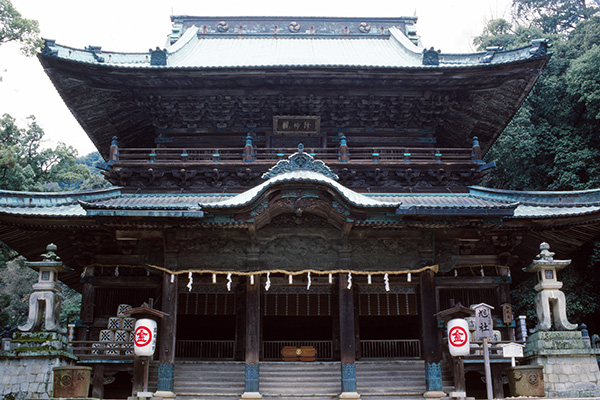
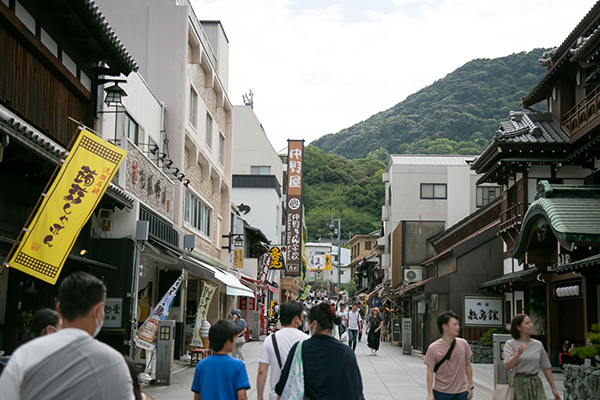
Kotohira-gu Shrine, commonly known as "Konpira-san," is one of Japan's most famous Shinto shrines and one of the most important spiritual sites in Shikoku. Located on the slopes of Mount Zozu in Kagawa Prefecture, the shrine has long been revered as the guardian deity of sailors, seafarers, and safe voyages. For centuries, people from all over Japan have made pilgrimages to pray for safety, prosperity, and good fortune.
The shrine is famous for its long stone staircase. Visitors must climb 785 steps to reach the main shrine, and those who continue to the inner shrine will climb a total of 1,368 steps. Along the way, visitors can enjoy traditional shops, historic buildings, and beautiful views of the surrounding countryside. The climb is challenging, but the spectacular scenery and the spiritual atmosphere make it one of the most memorable cultural experiences in Japan.
2. Chichibugahama Beach
Chichibugahama Beach is one of Japan's most picturesque beaches and is often called the "Mirror of the Sky." Located in Mitoyo City, Kagawa Prefecture, the beach is famous for its stunning reflections that appear on the wet sand during low tide. When the weather is calm and the timing is right, the shallow pools of water create mirror-like images of the sky, clouds, and people, producing breathtaking photographs.
Because of these beautiful reflections, Chichibugahama has become a popular destination for photographers and visitors from around the world. Sunset is considered the best time to visit, as the golden light creates especially magical scenery.
The beach offers a unique combination of natural beauty, tranquility, and spectacular photo opportunities, making it one of Kagawa's most iconic attractions.

3. Naoshima
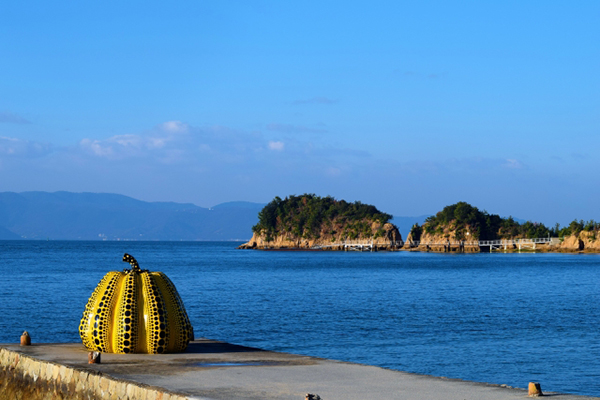
Naoshima is a small island in the Seto Inland Sea that is internationally famous for contemporary art, architecture, and beautiful natural scenery. Often called the "Art Island," Naoshima is home to world-renowned museums such as the Chichu Art Museum, Benesse House Museum, and Lee Ufan Museum. The island features works by famous artists and architects from Japan and around the world.
One of the island's most iconic landmarks is Yayoi Kusama's colorful pumpkin sculpture, which has become a symbol of Naoshima. Visitors can discover art not only inside museums but also throughout the island, where artworks are integrated into local villages, beaches, and landscapes.
Naoshima offers a unique experience where art, architecture, nature, and local community life exist in harmony. It is considered one of the most important contemporary art destinations in the world.
*IMPORTANT Notice: some museum, including BENESSE Museum, requires your preliminary reservation
Gourmet Information
1. Sanuki Udon
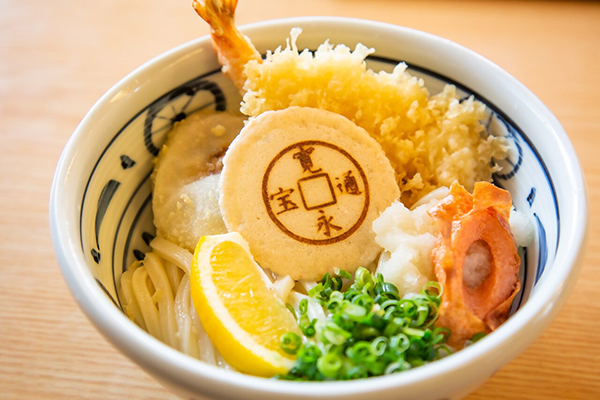
Kagawa is often called the "Udon Prefecture" because there are hundreds of udon restaurants throughout the region, and eating udon is part of everyday life for local people.
Sanuki Udon is usually served in hot soup or with a dipping sauce. Popular toppings include green onions, tempura, fried tofu, and raw egg.
For many Japanese people, especially in Kagawa, Sanuki Udon is more than just a meal. It is an important part of the local culture and identity.
(Nakano Udon School, Kotohira)
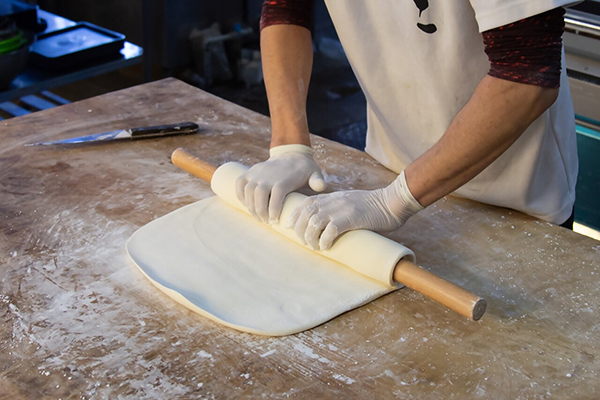
Located at the foot of Kotohira's famous Konpira Shrine, Nakano Udon School offers a fun hands-on experience where visitors can make authentic Sanuki Udon from scratch.
Participants learn how to roll, cut, and prepare the noodles, and can enjoy eating their handmade udon or take it home as a souvenir. The experience is entertaining, beginner-friendly, and suitable for families and international visitors.
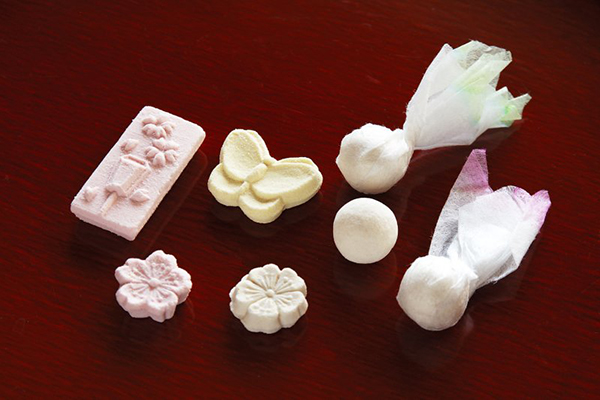
2. Wasanbon(Japanese Sweets)
Wasanbon is one of Kagawa's most famous traditional specialties. It is handmade from locally grown sugarcane and refined through a traditional process. Unlike ordinary sugar, it has a mild and elegant sweetness that melts smoothly in the mouth.
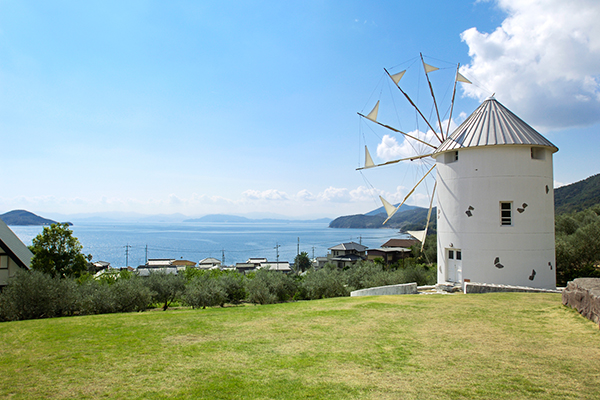
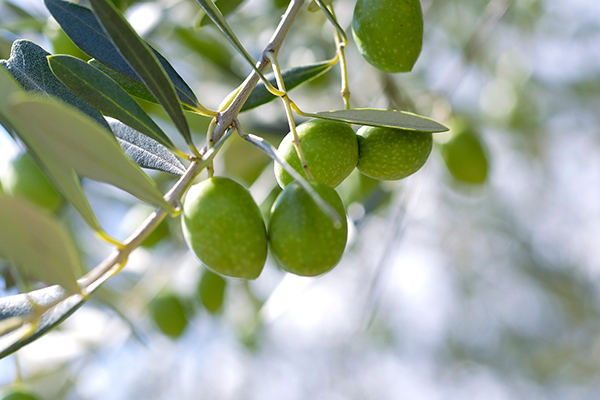
3. Shodoshima Olive Products
Kagawa is famous not only for Sanuki Udon but also for Shodoshima olives. The island, just one hour away by ferry, was the first place in Japan to successfully cultivate olives and is now a symbol of the region's Mediterranean-like climate and lifestyle.
4. Fresh Seafood
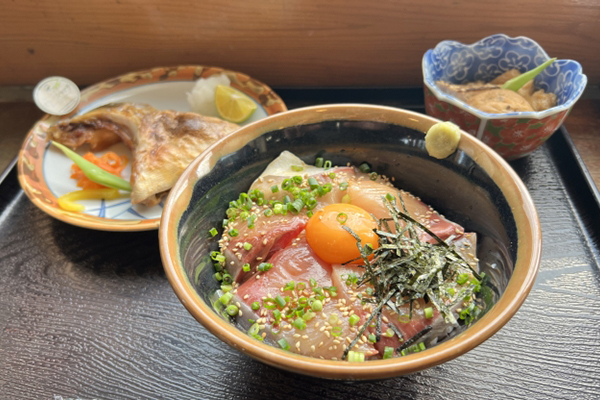
The Seto Inland Sea is one of Japan's richest fishing areas. Thanks to its calm waters and mild climate, a wide variety of fresh seafood is caught throughout the year. Kagawa is especially known for its high-quality fish, which can be enjoyed as sushi, sashimi, or traditional Japanese dishes.
Olive Yellowtail is a premium branded fish unique to Kagawa Prefecture. It is raised on a special diet that includes olive leaves grown on Shodoshima Island, famous for being Japan's olive-growing center. The olive-enriched feed helps produce fish with a clean taste, firm texture, and high quality.
We can also enjoy sea bream, octopus, concur eel and others.
提供:(公社)香川県観光協会